

In This Guide
Mexico is a land where nature and civilization intertwine in spectacular fashion. From underground cenotes that sustained ancient civilizations to monumental pyramids that still mystify engineers, Mexico's wonders span millennia and ecosystems. Whether you're seeking adventure in dramatic canyons, mystical encounters with wildlife migrations, or the spiritual resonance of ancient ruins, Mexico delivers experiences found nowhere else on Earth.
This guide explores both the natural and man-made wonders that make Mexico a destination unlike any other, helping you plan an unforgettable journey through one of the world's most biodiverse and culturally rich countries.
Mexico's Natural Wonders
Cenotes: Underground Gateways to Another World
Cenotes are Mexico's most iconic natural feature — freshwater sinkholes formed by the collapse of limestone bedrock, revealing groundwater beneath. In the Yucatan Peninsula, these geological marvels dot the landscape like a natural underground water system, connected by subterranean rivers that sustained the Maya civilization for thousands of years.
The most visited cenotes like Cenote Ik Kil near Chichen Itza offer dramatic sheer cliffs dropping 90 feet to clear waters below, creating natural swimming amphitheaters. Others like Cenote Azul near Tulum present beach-like entrances where freshwater emerges directly into the Caribbean. The water temperature remains constant year-round at around 77°F, making cenotes refreshing escapes during Mexico's hot seasons.
Beyond their beauty, cenotes hold deep cultural significance. The ancient Maya believed them to be portals to Xibalba, the underworld, and conducted rituals in these sacred spaces. Archaeological evidence shows that cenotes were gathering places for ceremonies, water collection, and trade routes connecting inland communities to coastal settlements.
Copper Canyon: A Geological Marvel
In the northern state of Chihuahua lies Barrancas del Cobre, the Copper Canyon, a system of canyons larger and deeper than the Grand Canyon itself. This natural wonder stretches across 25,000 square miles of rugged terrain, reaching depths of over 5,900 feet. The canyon system gets its name from the greenish coloration of its rocks caused by oxidized copper deposits.
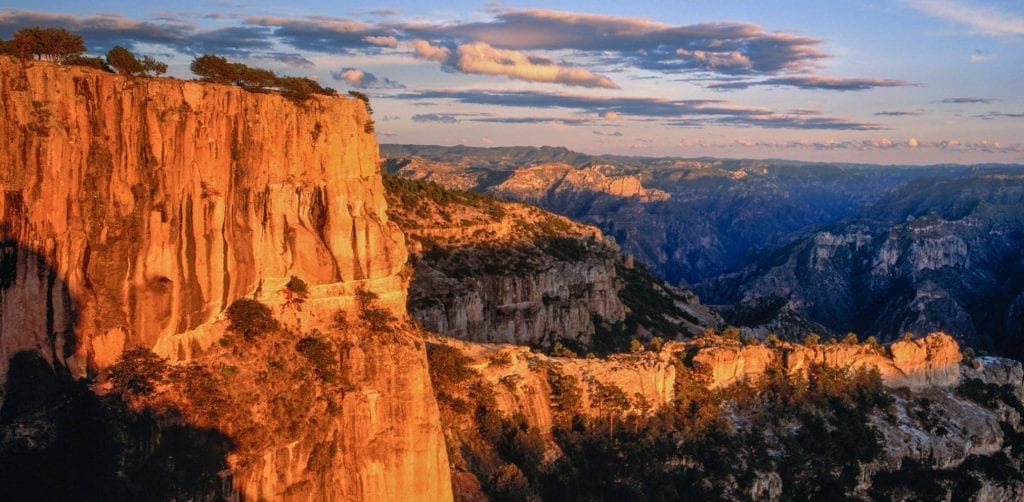
Exploring the Copper Canyon requires planning, as it's a remote region home to the Tarahumara indigenous people, known for their extraordinary long-distance running abilities. The scenic railway from Chihuahua City to Los Mochis winds through the canyon, offering views that rival any railway journey in the world. Visitors can hike into the canyons, camp under pristine starry skies, and experience a landscape so vast it defies expectation.
Hierve el Agua: Petrified Waterfalls
In Oaxaca, natural mineral springs have created one of Mexico's most surreal landscapes. Hierve el Agua translates to "the water boils," referring to the naturally heated mineral-rich water that cascades down a hillside, depositing minerals that have accumulated over millennia to form petrified waterfalls. These mineral deposits create terrace pools in striking white and ochre tones.
The site contains two main spring-fed pools at the top of the formation, where visitors can swim in warm, mineral-rich water while gazing across the valleys of Oaxaca below. The mineral composition — rich in calcium, magnesium, and other elements — is said to have therapeutic properties, making Hierve el Agua a destination for both natural wonder and wellness.
Marietas Islands: Hidden Beaches and Wildlife
Off the coast of Puerto Vallarta, the Marietas Islands are a protected national park featuring dramatic coastal rock formations, pristine beaches, and abundant marine wildlife. The most famous feature is Hidden Beach (Playa Escondida), accessible only by swimming through a tunnel in the rock face, leading to an isolated crescent beach surrounded by 300-foot cliffs.
The islands are home to tropical bird species, sea lions, and serve as migration routes for humpback whales during winter months. Snorkeling around the islands reveals vibrant coral gardens and schools of tropical fish. The Marietas are best explored via organized boat tours from Puerto Vallarta, which respect the protected ecosystem while providing close encounters with wildlife.
Bioluminescent Bays: Nature's Light Show
Mexico's bioluminescent bays glow with an otherworldly blue-green light after dark, created by millions of dinoflagellates (microscopic organisms) that produce light when disturbed. These phenomenon occur in several locations, most notably in Mexico's lagoons along the Caribbean coast and in shallow bays throughout the Yucatan.
Kayaking through a bioluminescent bay at night creates a surreal experience — every paddle stroke illuminates the water, fish trails glow as they move through the darkness, and the night sky above remains crystal clear for stargazing. The best conditions occur on moonless nights when the water's glow is most visible and the dinoflagellate activity is highest.
Monarch Butterfly Biosphere Reserve
Each winter, millions of monarch butterflies migrate over 2,000 miles from Canada and the northern United States to the forests of Michoacán and Mexico State. In a phenomenon that baffles scientists, monarchs born in one generation navigate to forests they've never seen, using magnetic navigation and the sun's position. By spring, their descendants begin the journey north to restart the cycle.
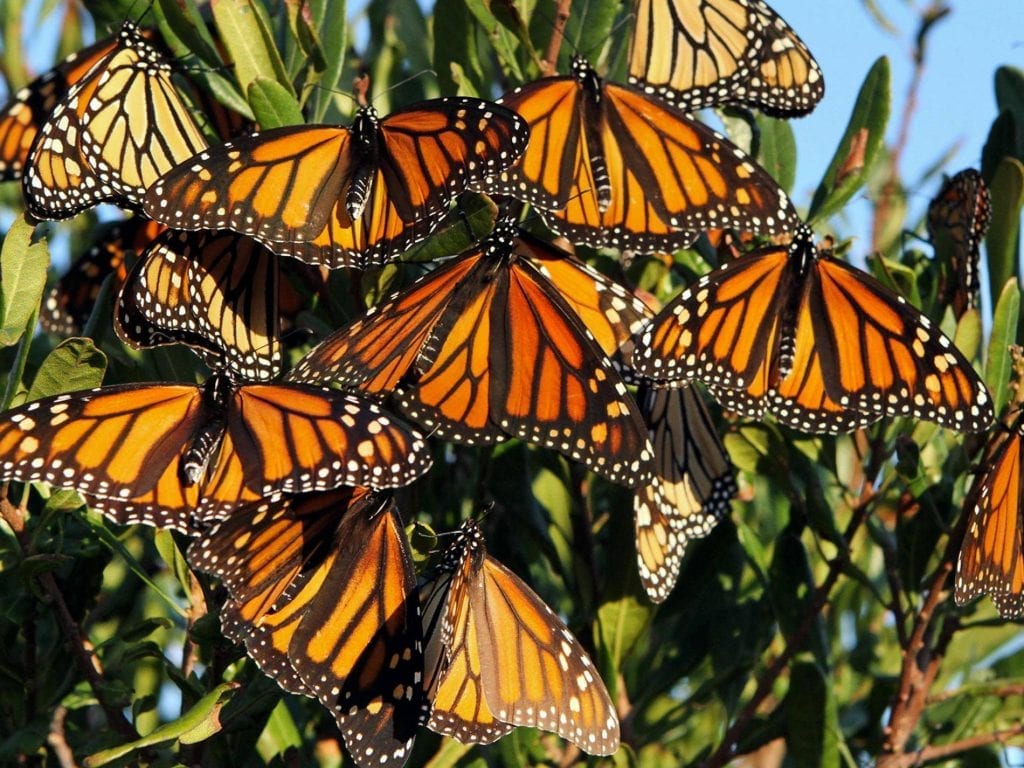
The Monarch Butterfly Biosphere Reserve, a UNESCO World Heritage Site, protects the critical overwintering grounds. Visiting during peak season (December to February) allows you to witness one of nature's most spectacular migrations — millions of butterflies clinging to trees, creating a shimmering blanket of orange and black that seems to move with life.
Whale Shark Migration and Seasonal Wildlife
From June through September, the world's largest fish species — the whale shark — gathers off the coast of Isla Mujeres and throughout the Baja California Peninsula. These gentle giants can reach lengths of 40 feet and weigh up to 47 tons, yet they feed exclusively on plankton by filter feeding.
Swimming alongside a whale shark is a humbling experience that many describe as meeting an ancient creature from prehistory. The Mexican government has strict protocols to protect the sharks and ensure ethical interaction with tourists. Nearby, migrating humpback whales arrive during winter months (December to April), breaching and creating waterspouts visible from shore.
Man-Made Wonders & Ancient Ruins
Chichen Itza: One of the New Seven Wonders
Chichen Itza stands as one of the most visited archaeological sites in Mexico and was named one of the New Seven Wonders of the World in 2007. This massive Maya and Toltec settlement dominated the Yucatan Peninsula from 600 to 1200 CE, serving as a center of trade, religion, and astronomy.
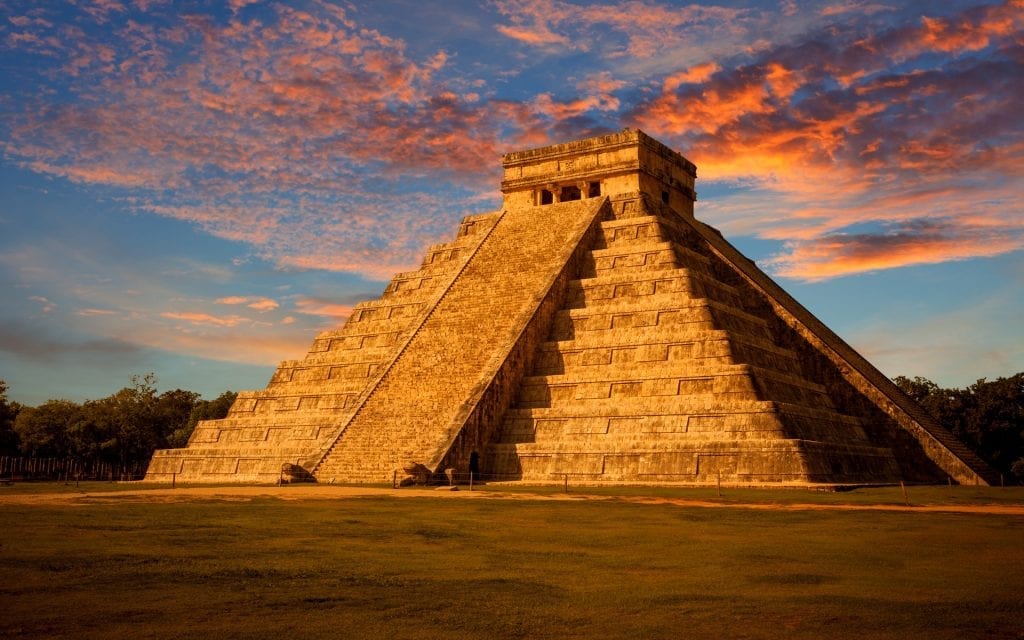
The iconic Kukulkan Pyramid (El Castillo) features extraordinary astronomical alignment. Twice yearly during the spring and autumn equinoxes, the setting sun casts a shadow along the pyramid's edge, creating the illusion of a serpent descending the steps — a stunning visual representation of Kukulkan, the feathered serpent deity. The pyramid's design incorporates 365 steps, matching the solar year, while its four sides contain 91 steps each (totaling 364), divided into nine levels representing the nine underworld levels of Maya cosmology.
Beyond the pyramid, Chichen Itza contains the Great Ball Court (the largest in Mesoamerica), the Sacred Cenote, the Temple of Warriors with its famous Chac Mool statue, and numerous smaller temples. The site represents the pinnacle of Maya architectural and astronomical knowledge.
Teotihuacan: City of the Gods
In the high valley 30 miles northeast of Mexico City lies Teotihuacan, an ancient metropolis that predates the Aztecs by over a thousand years. At its peak around 450 CE, Teotihuacan was one of the largest cities in the world, with a population exceeding 200,000. Its builders and the language of its inhabitants remain mysterious, as the civilization collapsed before the Aztecs arrived centuries later.
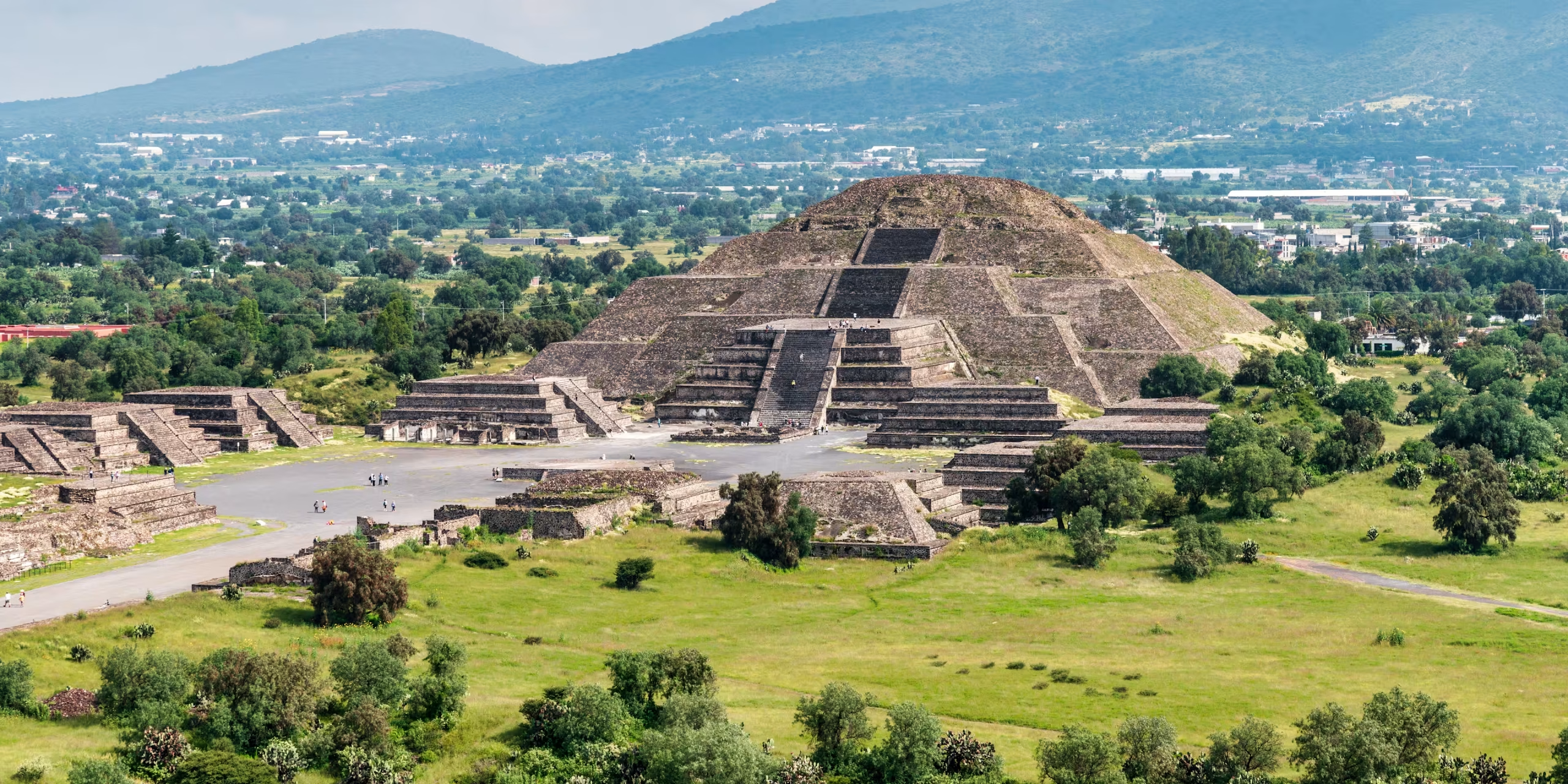
The site is dominated by two massive pyramids — the Pyramid of the Sun (the third-largest pyramid in the world by volume) and the Pyramid of the Moon. Walking the Avenue of the Dead that connects these structures gives a sense of the city's former grandeur. The Pyramid of the Sun contains a hidden chamber discovered in 1971, suggesting sophisticated astronomical knowledge and complex ceremonial purposes.
Unlike Maya sites that often feature intricate carved details, Teotihuacan's architecture emphasizes geometric precision and monumental scale. Recent research using advanced imaging has revealed murals and glyphs beneath centuries of weathering, hinting at a writing system yet to be fully understood.
Tulum: Coastal Beauty with Historic Twist
Perched on cliffs overlooking turquoise Caribbean waters, Tulum represents the last major Maya settlement to function during the Spanish conquest. Built around 1200 CE, Tulum served as a major port city where Maya merchants traded goods across Mesoamerica. The site's dramatic clifftop location — accessible only by foot or boat during Maya times — provided natural defense and stunning vistas.
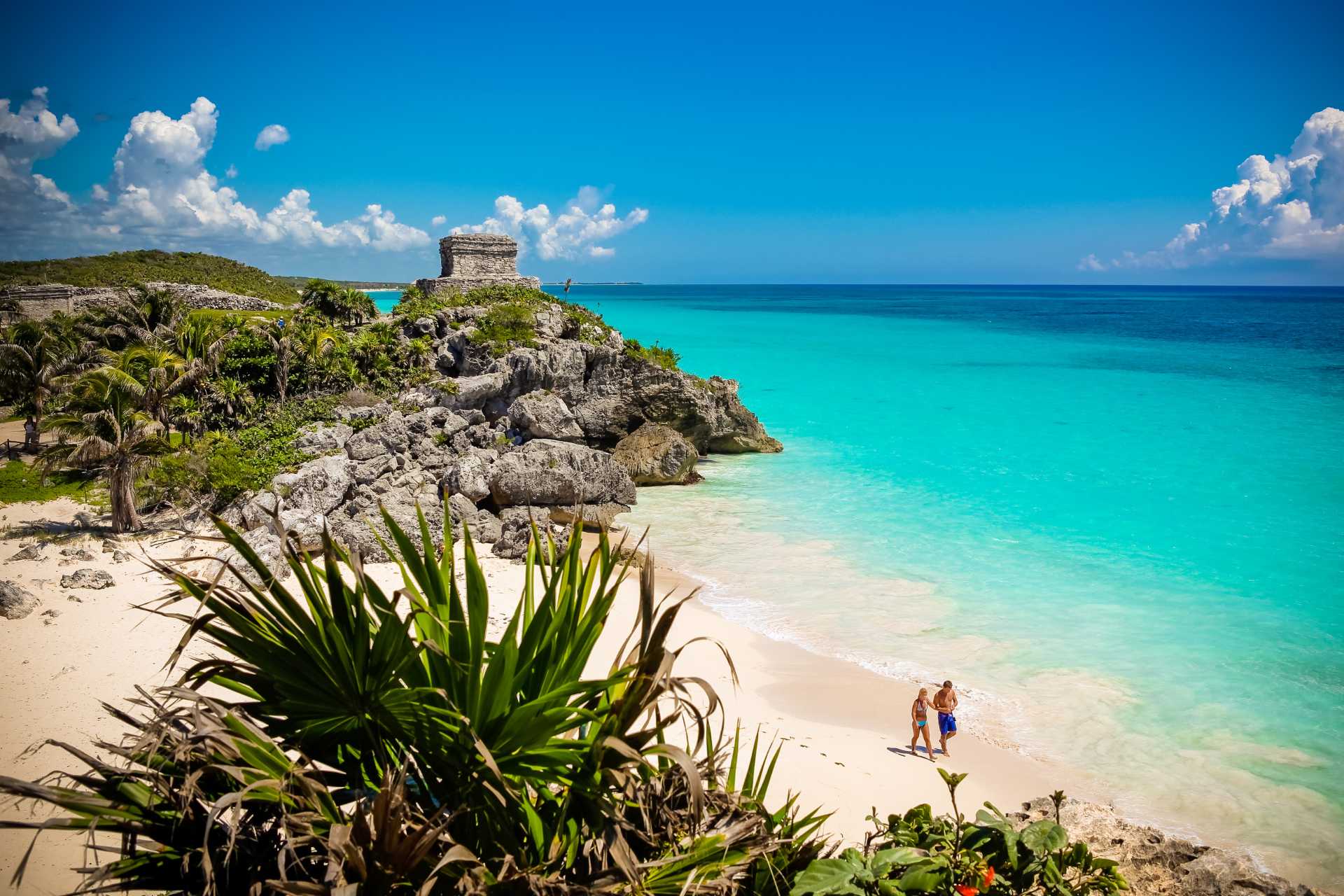
The Temple of the Descending God features an unusual relief of a diving deity, possibly representing the setting sun or the rain god. The site's proximity to the Riviera Maya's modern resorts makes Tulum easily accessible, allowing visitors to experience Maya history while remaining close to contemporary luxury accommodations.
Monte Alban: Zapotec Capital
In the mountains above the city of Oaxaca sits Monte Alban, the capital of the Zapotec civilization from 500 BCE to 750 CE. This mountaintop city features massive stone platforms, pyramids, and plazas arranged with precise geometric patterns. The Great Plaza, surrounded by pyramids and palaces, once served as the center of political and religious life for thousands of Zapotecs.
What distinguishes Monte Alban is its sophisticated urban planning and the evidence of early writing systems — some of Mesoamerica's earliest recorded hieroglyphic inscriptions appear here. The site reveals how the Zapotecs engineered a functional city on a mountain peak, redistributing soil and creating agricultural terraces to sustain a large population.
MUSA: The Underwater Museum
Off the coast of Cancun and Isla Mujeres lies MUSA (Museo Subacuático de Arte), an underwater museum containing over 500 sculptures installed on the seafloor. This unique art installation serves both artistic and ecological purposes — the sculptures, made from pH-neutral concrete, create artificial reefs that support marine life while offering an immersive art experience to divers and snorkelers.
Created by British-Mexican artist Jason deCaires Taylor, the installations feature haunting human figures, philosophical scenes, and abstract forms. As years pass, corals colonize the sculptures, creating living artworks that evolve over time. Visiting MUSA requires snorkeling or diving skills, making it an adventure that combines culture, art, and marine exploration.
Chapultepec Castle: Mexico's Imperial Palace
Overlooking Mexico City from a hilltop in Chapultepec Park stands Chapultepec Castle, the only royal castle in North America. Built in the 18th century as a vice-regal mansion, it later served as an imperial residence and is now a museum showcasing Mexico's history from the conquest through the Mexican Revolution.
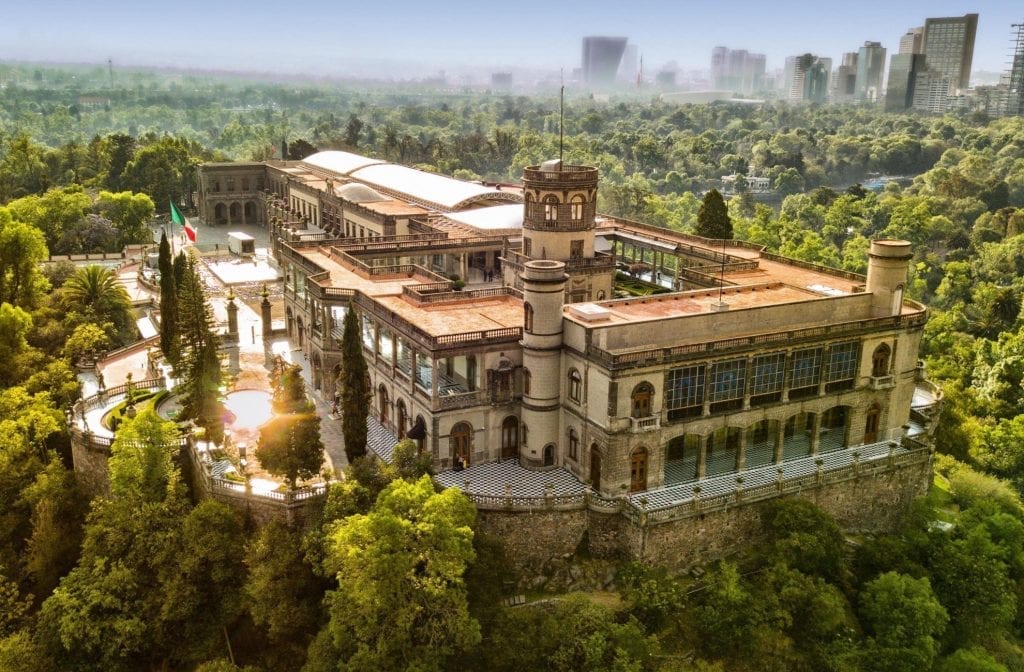
The castle's rooms contain original period furnishings, artwork, and artifacts spanning centuries of Mexican history. Its terraces offer panoramic views of Mexico City, while the surrounding park features museums, gardens, and recreational areas, making Chapultepec a comprehensive cultural destination within the capital.
Cañón del Sumidero: Where Mountain Meets River
In Chiapas state, the Grijalva River has carved a spectacular canyon through limestone mountains, creating towering 3,000-foot cliffs that plunge dramatically to emerald waters below. Cañón del Sumidero is best explored by boat from the town of Tuxtla Gutiérrez, allowing intimate encounters with the canyon's geology and wildlife.
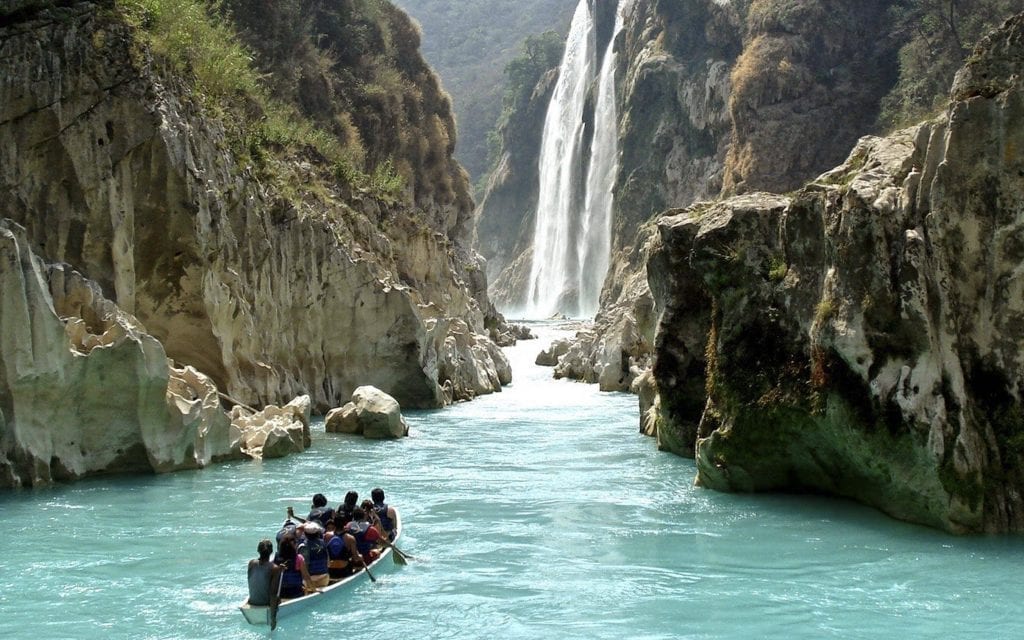
Crocodiles sun themselves on riverbanks, howler monkeys call from the canyon walls, and pelicans dive for fish in the green waters. Several waterfalls cascade down the cliff faces, and small beaches provide spots where jungle creatures come to drink. The boat journey takes visitors through increasingly dramatic scenery, culminating at the Grijalva Dam at the canyon's upper end.
Exploring Mexico's Wonders from a Luxury Villa Base
Mexico's natural and man-made wonders are scattered across diverse regions, making it essential to choose your base strategically. Many visitors find that renting a luxury villa in key locations allows flexibility and comfort while exploring multiple wonders within reasonable driving distances.
The Riviera Maya serves as an excellent base for exploring Yucatan Peninsula natural wonders and Maya ruins. Cenotes, Chichen Itza, Tulum, and Coba are all within day-trip distances from villas in Tulum, Playa del Carmen, or Bahia Petempich. Luxury villa rentals offer private pools (often fed by cenote water), oceanfront terraces, and personalized concierge services to arrange guided excursions.
Puerto Vallarta provides access to both Caribbean and Pacific wonders. The Marietas Islands, Hidden Beach, and various natural springs are accessible by boat, while the city itself connects to inland destinations like Jalisco's highlands and colonial mountain towns. Villas here often feature sweeping ocean views and infinity pools reflecting the bay.
Los Cabos at Mexico's southern tip offers unique desert and maritime ecosystems distinct from other regions. While farther from most major ruins, Los Cabos serves visitors interested in whale watching, dramatic desert landscapes meeting the Pacific, and the Sea of Cortez's exceptional marine biodiversity. Luxury villas here emphasize desert minimalism and ocean immersion.
Frequently Asked Questions
What are the most famous natural wonders in Mexico?
Mexico's most famous natural wonders include cenotes (limestone sinkholes), the Copper Canyon, Hierve el Agua mineral springs, Marietas Islands, bioluminescent bays, monarch butterfly reserves, and the whale shark migration routes off Baja California. Each offers unique geological or biological significance and can be visited during appropriate seasons.
Can you visit Chichen Itza and other ruins in the same trip?
Yes, visiting multiple ruins in one trip is practical, especially in the Riviera Maya region. Tulum, Coba, and Playa del Carmen sites can be explored in 2-3 days. However, Teotihuacan and Monte Alban are located farther away (near Mexico City and Oaxaca respectively) and require separate planning or multi-city itineraries.
What's the best time to see whale sharks in Mexico?
Whale shark season in Mexico runs from June through September, with peak activity in July and August. The largest gatherings occur off Isla Mujeres and throughout the Baja Peninsula. Water temperatures are warmer during this period, and visibility for swimming and observing these gentle giants is excellent.
Is it safe to visit cenotes?
Yes, established cenotes are safe for visitors. Popular cenotes in the Riviera Maya and Yucatan Peninsula are well-developed tourist attractions with clear water, safety equipment, and trained guides. Always visit official, established cenotes rather than unmarked or remote ones, and follow guide instructions for water entry and swimming.
How long should I spend at major archaeological sites?
For Chichen Itza, allocate 3-4 hours for a comprehensive visit. Teotihuacan requires 4-5 hours to climb pyramids and explore various structures. Tulum can be explored in 2-3 hours. Most visitors benefit from hiring a guide to understand the historical and astronomical significance of structures.
Can I swim in cenotes year-round?
Yes, cenote water temperature remains relatively constant between 75-80°F throughout the year, making them comfortable for swimming any season. However, rainfall can affect visibility during the rainy season (May to October), so clearer water typically occurs in dry months.
Planning Your Wonder-Filled Journey: Consider combining natural and man-made wonders by structuring your trip around a central base. Villa Experience connects you with luxury properties in the Riviera Maya, Puerto Vallarta, and Los Cabos — strategic locations for accessing Mexico's most spectacular destinations. Our concierge services specialize in coordinating guided excursions to both famous attractions and hidden natural gems.
Experience Mexico's Wonders in Luxury
From sacred cenotes to ancient pyramids, Mexico's natural and man-made wonders deserve to be experienced at a pace that allows genuine exploration. Base your journey in one of our carefully curated luxury villas with personalized concierge services.
Plan Your Adventure