

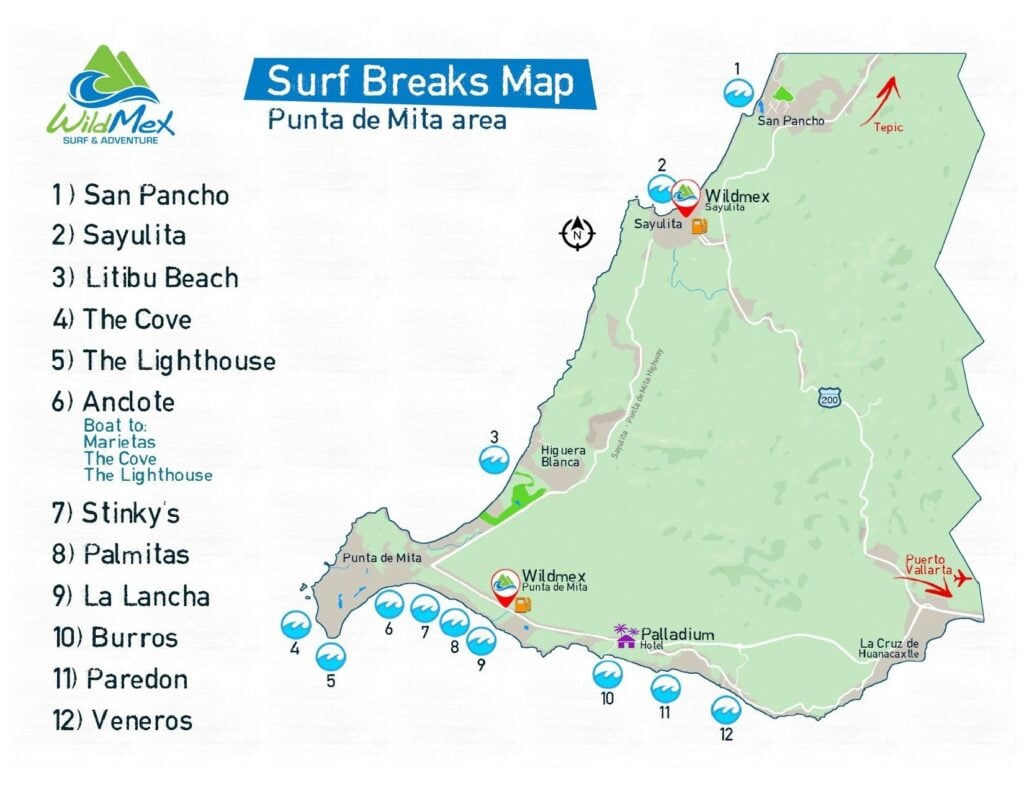
Punta Mita's position at the tip of the Riviera Nayarit peninsula creates a geographic phenomenon: the coastline catches swell from every direction, ensuring consistent waves year-round. Thirteen distinct breaks — from sandy-bottom beginner beaches to expert-only reef points — are spread across a coastline you can drive in twenty minutes. Warm water, professional instruction, and a villa infrastructure built around the sport make this Mexico's most complete surf destination.
Beginner-Friendly Breaks
El Anclote
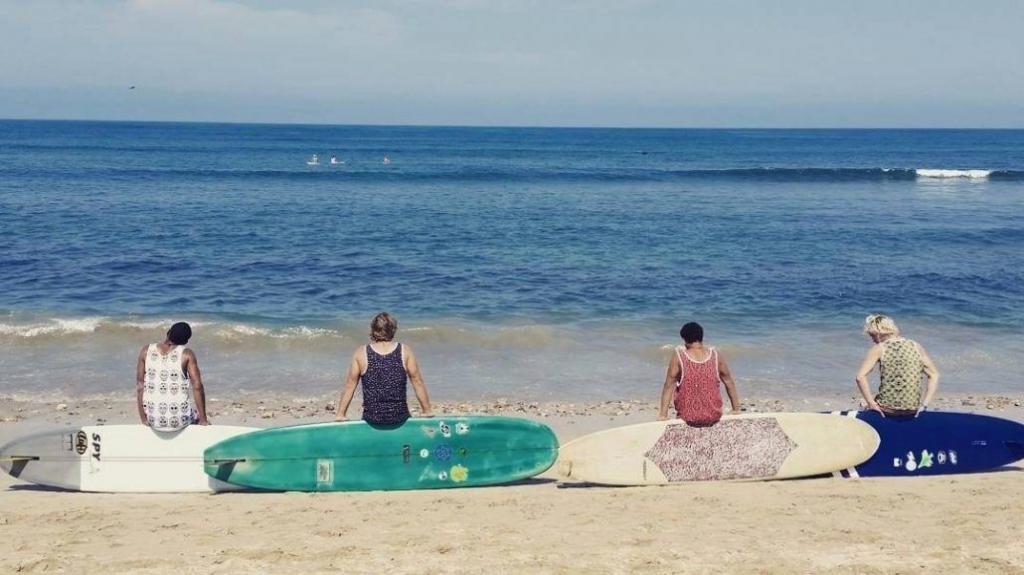
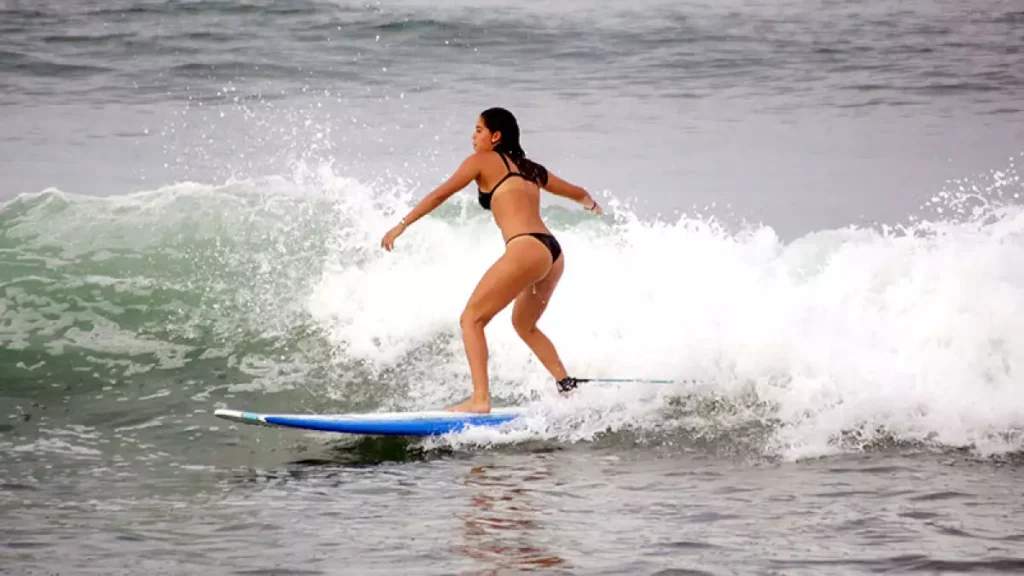
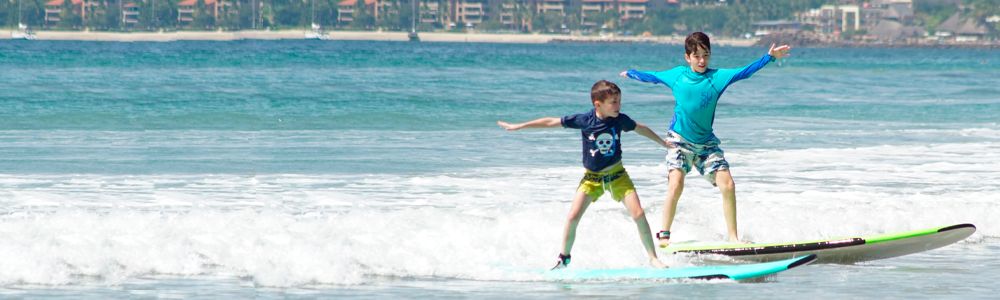
El Anclote is Punta Mita's primary beginner break and home to most surf schools. Sandy bottom, forgiving slope, and consistent small-to-medium waves ideal for learning. The beach is well-organized with restaurants, shops, and facilities — convenient for families. Morning sessions before 10 a.m. offer the calmest conditions.
You can spend your first week here progressing from wobbly pop-up to linking turns, then move to more challenging breaks as your skills develop. After your session, walk straight into fish tacos at the beachfront restaurants.
Sayulita
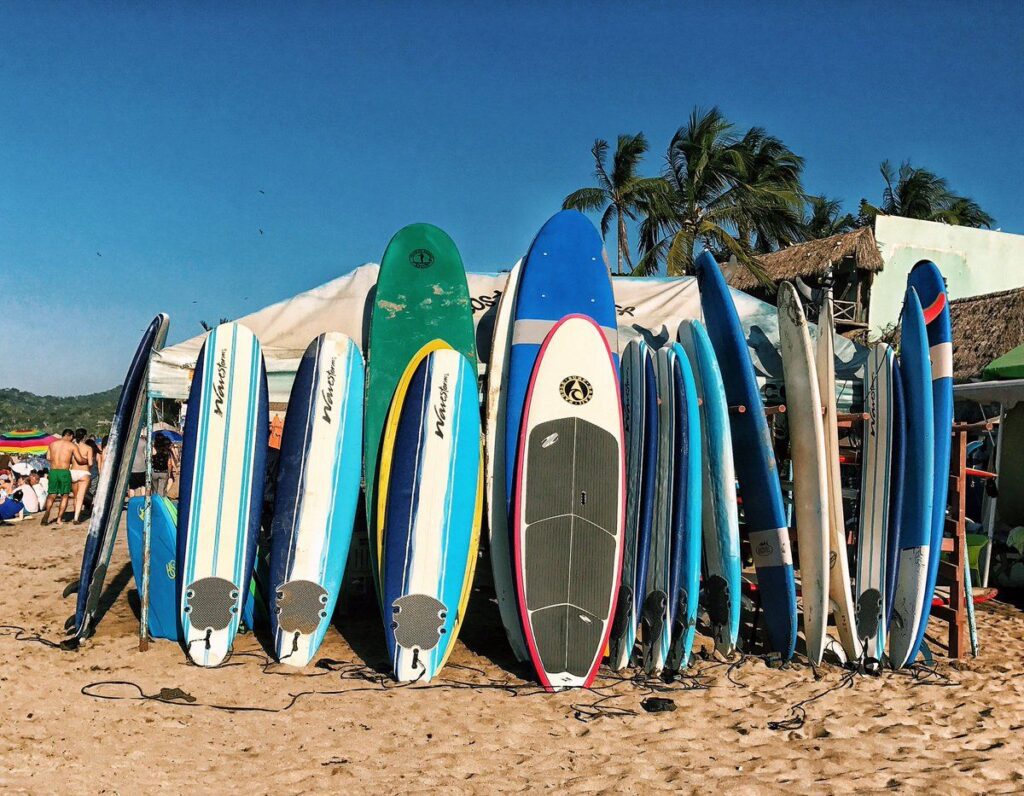
Sayulita, twenty minutes south, offers another excellent beginner option. Multiple peak areas let surfers spread out. The sandy bottom and mellow shape are ideal for progression, and the town itself has excellent food, nightlife, and cultural atmosphere. For a day trip from Punta Mita, combining a surf session with lunch and gallery shopping is a full day well spent.
San Pancho (San Francisco)
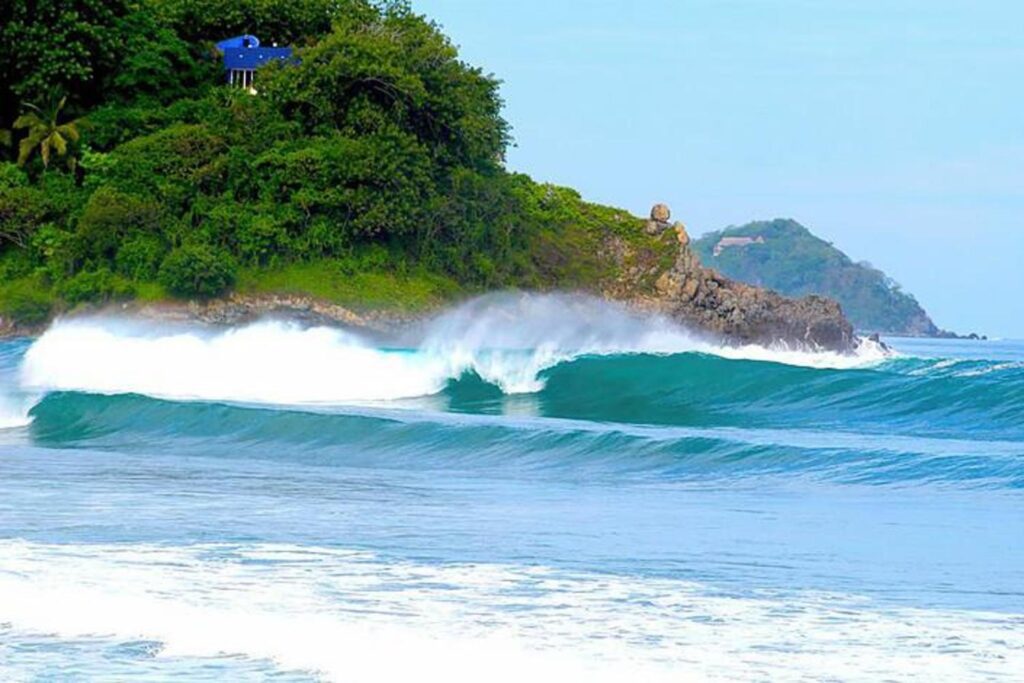
San Pancho offers a quieter village-feel alternative. Beginner-friendly with sandy access and forgiving waves, the town remains more residential and authentic — appealing if you prefer a less touristy experience while still enjoying consistent learning waves.
Intermediate Breaks
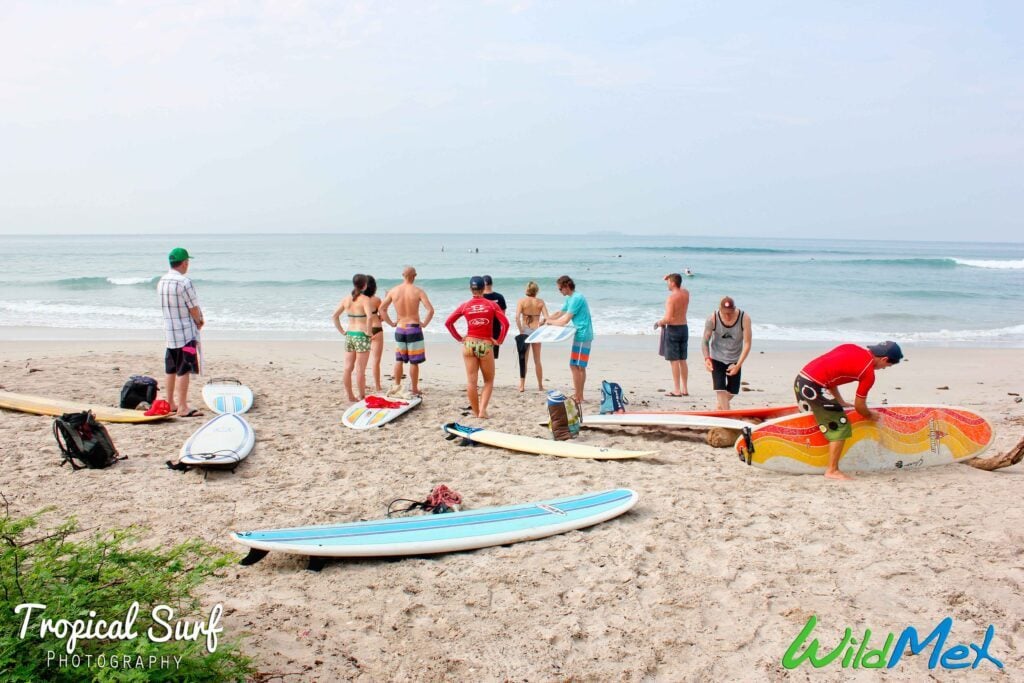
La Lancha
La Lancha is the signature intermediate break — a right-hand point that offers long, consistent waves with clear progression from takeoff to the shoulder. Handles various conditions well. The approach involves rock scrambling or boat access, which separates casual surfers from committed ones. At proper size (3–5 ft), La Lancha is one of Mexico's finest intermediate waves. Read more in our Punta Mita surf lessons guide.
Litibú
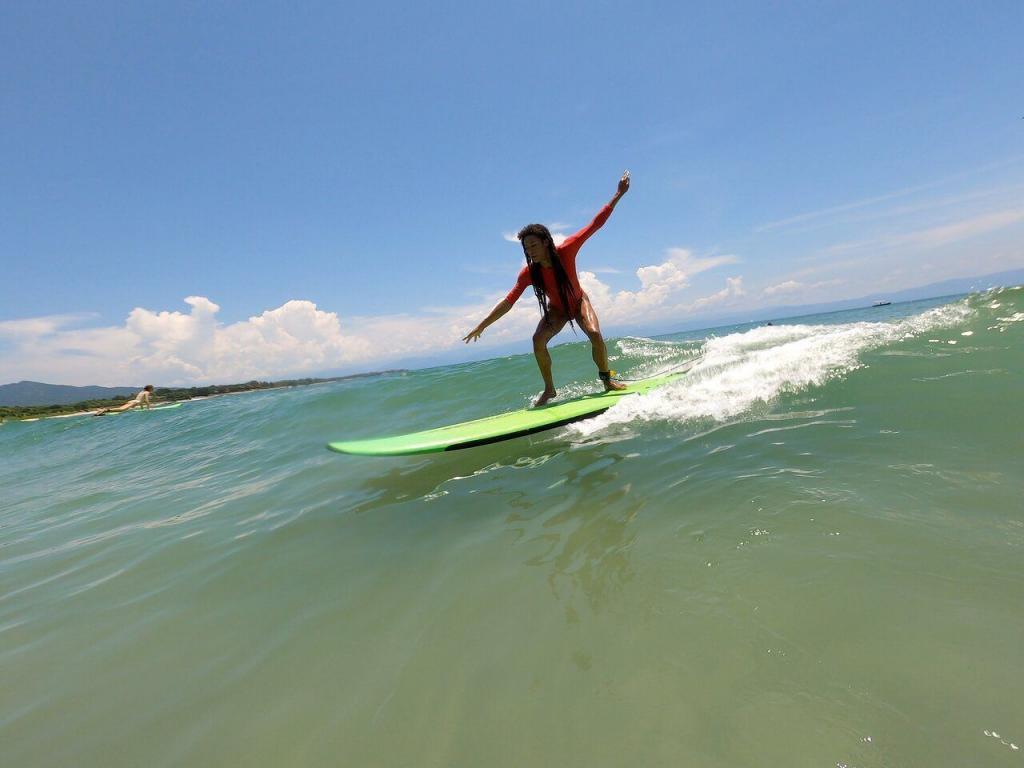
A sandy-bottomed break offering slightly more power and shape than beginner spots. Consistency and relatively forgiving wipeouts make Litibú good for intermediates wanting to progress without committing to technical point breaks. Open exposure to the wind and ocean current offers a unique experience compared to the sheltered bay breaks.
Palmitas
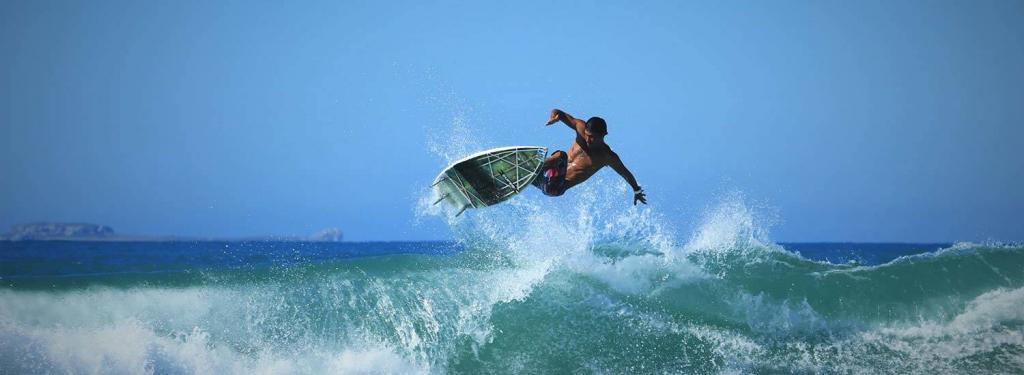
A beach break with multiple peaks that work in various swell directions. Sandy bottom provides forgiveness while the shape offers enough challenge to develop better technique. Good for logging hours and building confidence in slightly more demanding conditions.
The Cove (La Bahía)
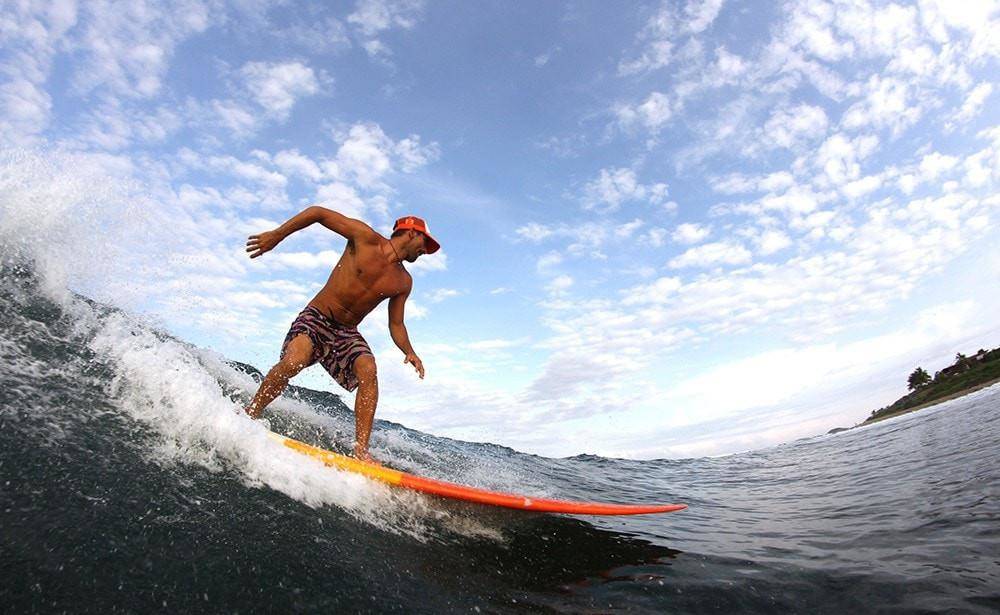
A protected bay break that works best in specific conditions but can be exceptional. Long right waves and swift lefts, more shape and punch than typical beach breaks. Less crowded than main areas, especially during non-peak hours. The exposed reef during low tides means this spot requires some experience.
Advanced & Expert Breaks
Punta Burros
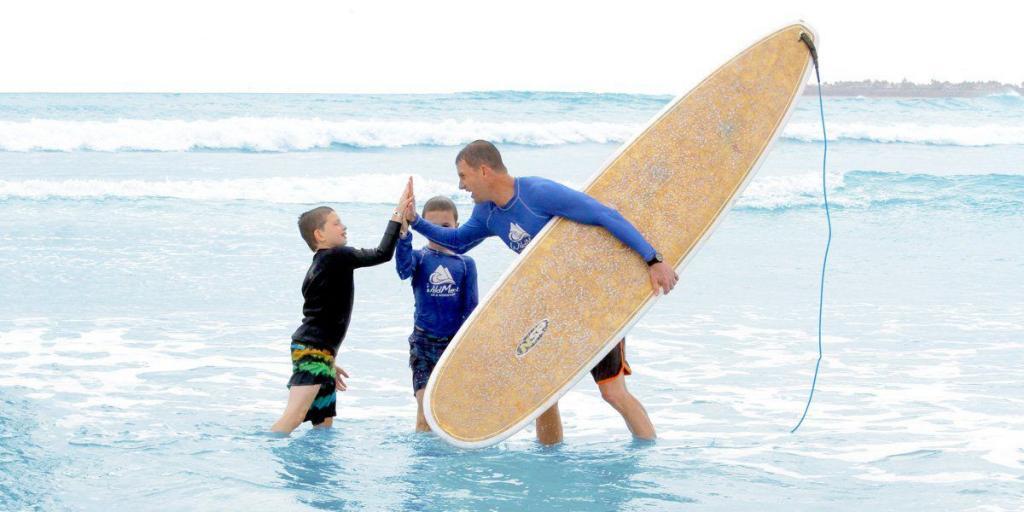
Punta Mita's most challenging break — an expert-only point with powerful, fast-moving waves, technical takeoff, strong currents, and heavy consequence. Located on private property, accessible via boat charter or specific arrangements. The waves are powerful, positioning is critical, and errors lead to serious wipeouts. This is where accomplished surfers push technical limits.
El Faro (The Lighthouse)
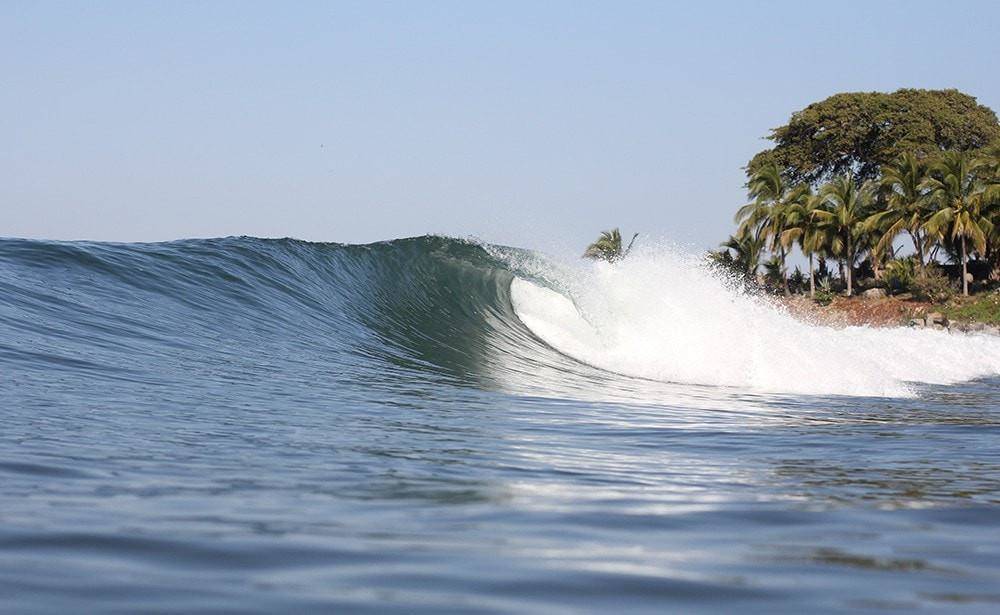
A powerful right-hand point break at the furthest end of the peninsula. The approach involves hiking to a lighthouse point, limiting access and keeping crowds manageable. Best suited for experienced surfers due to rocky reef conditions. During winter, six-foot-plus swells attract surfers from around the world. El Anclote and Stinky's are neighboring breaks offering a diverse experience.
El Paredón (The Wall)
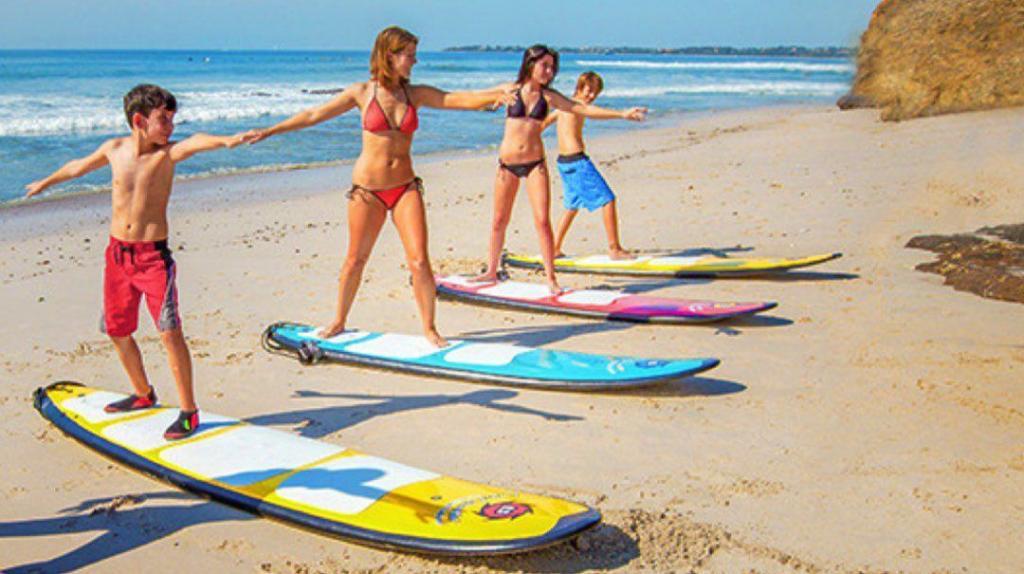
An advanced break in the mouth of Banderas Bay with steep slope, fast-moving waves, and powerful conditions. The right-hand reef break offers a variety of sections to choose from. Demands competent paddling, strong positioning, and the ability to manage speed on powerful, fast-moving wave faces.
Best Seasons & Conditions
May–October
Southern & southwest swell from tropical systems. Most reliable wave production — something works nearly every day. Warmer water, hot and humid weather with occasional afternoon rain. Fewer international tourists, more relaxed vibe.
November–April
Northeast trade wind swell — consistent, predictable. Peak tourist season with more crowds but ideal weather: sunny, warm, low humidity. Whale watching season overlaps December–March.
| Months | Swell | Crowds | Notes |
|---|---|---|---|
| May–June | Consistent south | Low | Very warm, fewer international surfers |
| Jul–Sep | Peak summer | Low–Medium | Occasional tropical rain, great training |
| Oct–Nov | Variable | Low | Transition, occasional flat spells |
| Dec–Feb | Reliable trade wind | High | Peak season, best weather, book ahead |
| Mar–Apr | Consistent | Medium | Warm, good swell, shoulder season value |
Water temperature: 78–82°F year-round. Board shorts and a rash guard are sufficient every season. No wetsuit needed. Early mornings (6:30–8:30 a.m.) offer the calmest, glassiest conditions regardless of season.
Book a Surf Lesson
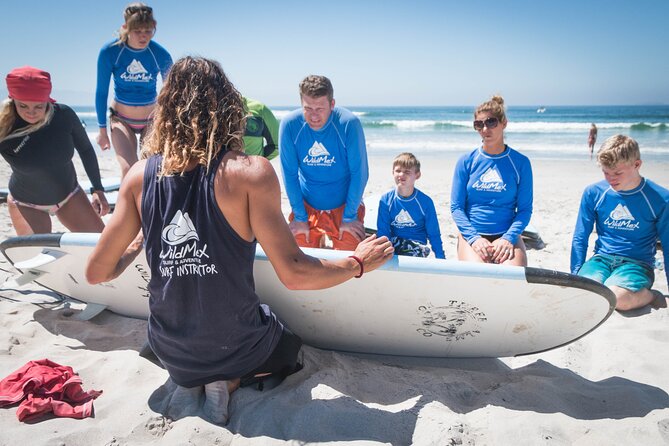
Whether you are standing on a board for the first time at El Anclote or working on your cutback at La Lancha, professional instruction accelerates everything. For a complete breakdown of private vs. group lessons, multi-day programs, and what to expect, see our Punta Mita surf lessons guide.
What to Bring
Sun protection: High-SPF waterproof reef-safe sunscreen is essential. A rash guard for UV protection is standard, even though water is warm. The reflection off water intensifies exposure.
Footwear: Water shoes or reef booties for the rocky approaches to point breaks. El Anclote and Sayulita do not require these, but La Lancha, El Faro, and Burros do.
Dry bag: A waterproof bag keeps phones, keys, and wallets safe during sessions. Do not leave valuables unattended on the beach.
Hydration: Bring abundant fresh water. Warm-water sessions are dehydrating despite not feeling thirsty. Drink throughout the day, not just after surfing.
Physical prep: If you have not surfed recently, a few days of paddling and leg conditioning before arriving prevents soreness. Even one pre-trip yoga or strength session helps.
At a Glance
| Break | Level | Type | Bottom | Best Swell |
|---|---|---|---|---|
| El Anclote | Beginner | Beach | Sand | All directions |
| Sayulita | Beginner | Point/Beach | Sand | S/SW |
| San Pancho | Beginner | Beach | Sand | S/SW |
| Stinky's | Beginner+ | Beach | Sand | S swell |
| Destiladeras | Beginner+ | Beach | Sand | S/SW |
| La Lancha | Intermediate | Point | Sand/Reef | All directions |
| Litibú | Intermediate | Beach | Sand | S/SW |
| Palmitas | Intermediate | Beach | Sand | Multiple |
| The Cove | Intermediate | Bay | Reef | NW |
| Punta Burros | Expert | Point | Reef | S/SW |
| El Faro | Advanced | Point | Reef | NW winter |
| El Paredón | Advanced | Reef | Reef | S/SW |
| Veneros | Intermediate+ | Beach | Sand | S swell |
Stay here
Our houses in Punta Mita
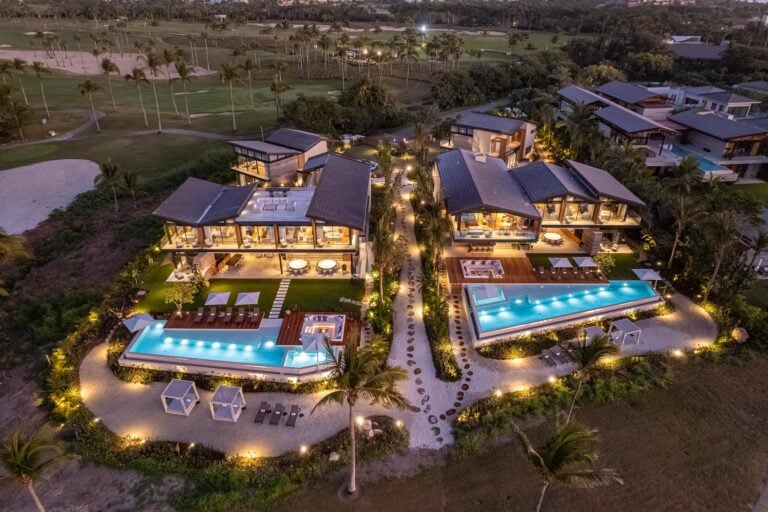
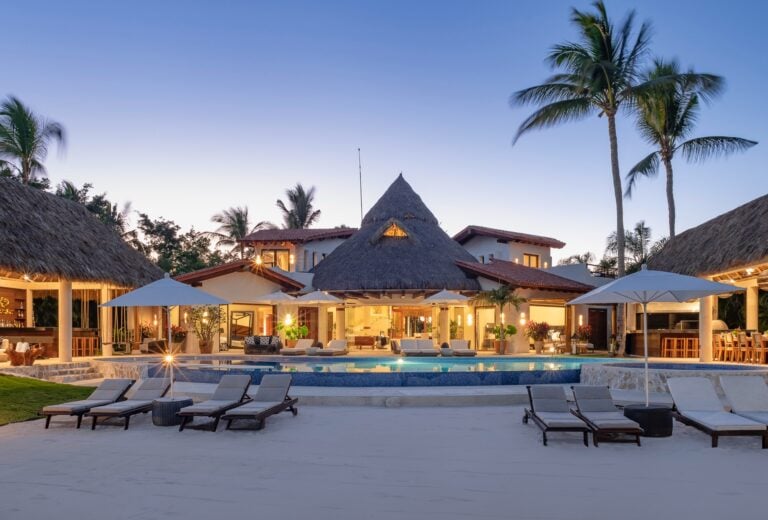
Villa Punta Pacifico Estate
17 bedrooms sleeps 38 private chef included
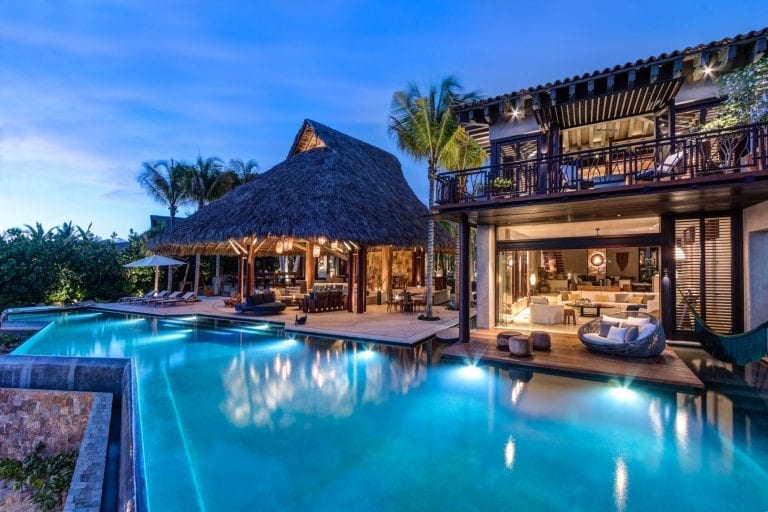
Casa Koko
10 bedrooms sleeps 22 private chef included
Casa del Faro
10 bedrooms sleeps 24 private chef included
Book it
Three ways to spend a day
- Puerto Vallarta Surf LessonsBook on GetYourGuide
- From Sayulita Private Surf Lesson at La Lancha BeachBook on GetYourGuide
- Marietas Islands Snorkeling Safari with Local GuideBook on GetYourGuide
Some links on this page are affiliate links: if you buy through them, Villa Experience may earn a small commission at no extra cost to you. We only list services we would use ourselves.
More from the magazine
Keep reading

Punta Mita · Dispatch
Casa Tres Soles
A cliffside estate in El Banco where eighteen can sleep under one roof and a hundred can raise a glass at sunset. A practical guide to the spaces, the staff, the event policy, and the logistics of a multi-day wedding on Punta de Mita's Pacific coast.
April 2026
Punta Mita · Destination feature
Snorkeling in Punta Mita: Best Spots, Tours & What You’ll See
Where to snorkel near Punta Mita — Marietas Islands, El Anclote reef, Los Arcos, and Hidden Beach. Tour types, seasonal visibility, marine life guide, and what to book.
March 2026
Punta Mita · Destination feature
Punta Mita Golf Courses – Pacifico, Bahia & Championship Courses
We are proud to present to you the Pacifico Golf Course in Punta Mita, Nayarit, one of the world's best and most exciting golf courses. It was designed by the legendary Jack Nicklaus, who created a masterpiece with the now-famous Tale of the Whale green on a natural island.
March 2026
Frequently Asked Questions
Wake Up. Walk to the Break. Surf.
Villa Experience villas in Punta Mita are minutes from El Anclote, La Lancha, and Burros. Your concierge books lessons, checks the swell forecast, and plans your week around the surf.