
Table of Contents
Mexican Peso Basics
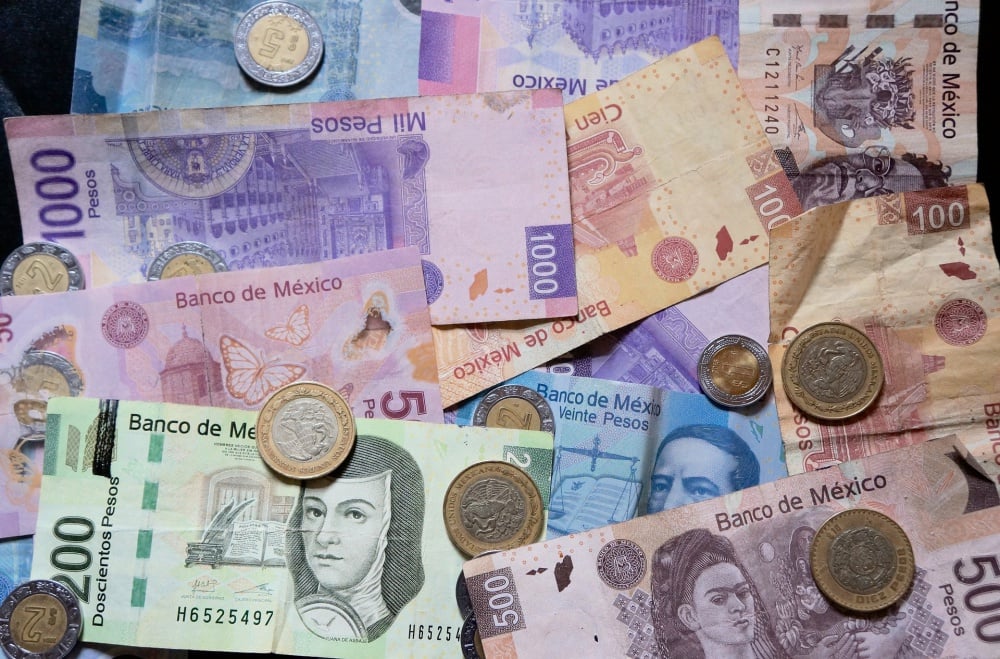
The Mexican peso (MXN) is Mexico's official currency, symbolized as $ or MXN to distinguish from USD. One peso divides into 100 centavos. Peso bills come in denominations of 20, 50, 100, 200, 500, and 1,000 pesos. Coins exist for 1, 2, 5, 10, and 20 pesos, though small change is increasingly rare.
Unlike some currencies, the peso is stable and freely traded globally. Mexico's economy, while subject to fluctuation, maintains relatively predictable currency valuations. For travelers, this stability means you can confidently plan budgets without fear of dramatic exchange rate shifts during your stay.
Peso Denominations at a Glance
Most daily transactions use 20-500 peso notes. A 20 peso note equals roughly $1-1.50 USD, making it the everyday denomination. 100-peso notes are common for meals and shopping. 500 and 1,000 peso notes are used for larger purchases but less practical for everyday transactions because making change can be difficult.
Current Exchange Rates (2026)
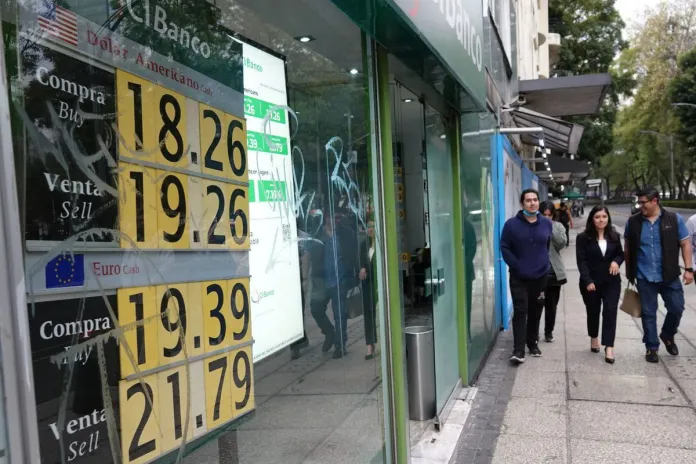
As of early 2026, one USD exchanges for approximately 15-20 Mexican pesos. This rate fluctuates slightly daily based on currency markets. The stronger the USD relative to the peso, the more pesos you receive per dollar. Conversely, if the peso strengthens, you receive fewer pesos per dollar.
Monitoring Exchange Rates
Check real-time rates on XE.com, OANDA, or your bank's app before traveling. Print or screenshot the rate for reference. Understanding that $100 USD equals approximately 1,500-2,000 pesos helps you quickly assess whether prices are reasonable. A meal that costs 300 pesos = $15-20 USD, depending on the exact rate.
Rate Timing
Exchange rates fluctuate throughout the day. Generally, rates from your bank are more favorable than airport or hotel exchanges. Using ATMs provides mid-market rates—the true interbank rate—without the 5-15% markup applied by currency exchange businesses.
Bank ATMs vs Street ATMs
Secure Bank ATMs (Best Option)
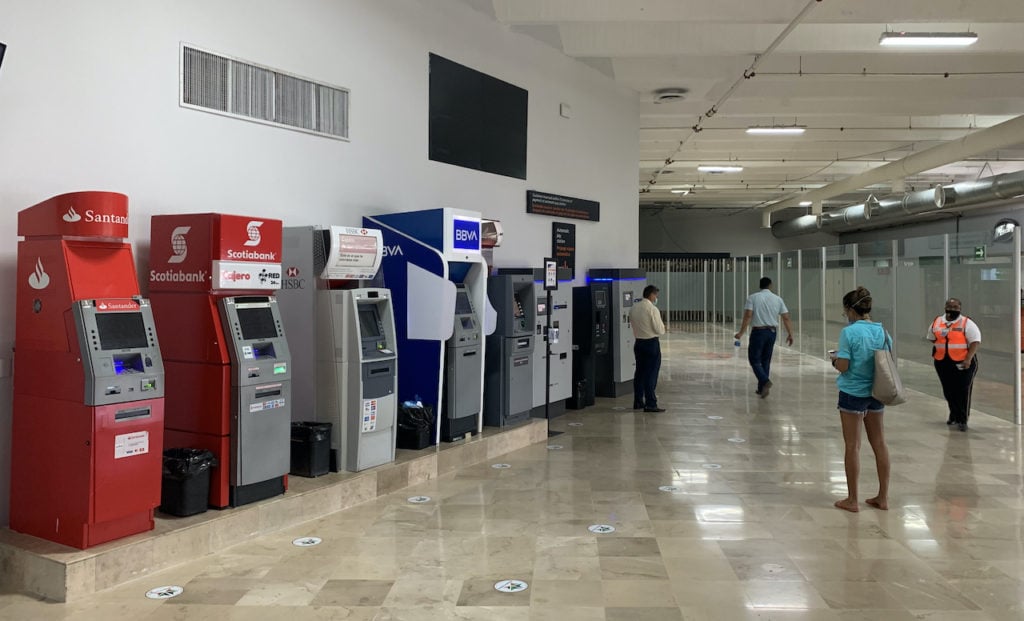
Use ATMs inside or directly outside bank branches. Mexican banks—Banamex, BBVA, Banorte, Scotiabank, Inbursa—have reliable ATMs offering competitive exchange rates. These machines are secure, monitored by cameras, and accessible 24/7. Withdrawals are typically limited to 5,000-10,000 pesos ($250-650 USD) per transaction, but you can withdraw multiple times daily.
Bank ATMs charge variable fees ($1.50-4 USD per withdrawal depending on your home bank). The exchange rate is superior to all other options, making the small fee worthwhile.
Street & Convenience Store ATMs (Use Caution)
ATMs in convenience stores, malls, and tourist areas charge 5-10% higher fees and sometimes offer terrible exchange rates. While these are convenient, the cost adds up. Use them only when bank ATMs are inaccessible. Always use ATMs in well-lit, crowded areas; avoid isolated machines, especially at night.
Security Considerations
Avoid drawing large amounts of cash. Withdraw 2-3 days' worth of expenses rather than a week's supply. Keep cash in multiple locations (wallet, hidden pouch, hotel safe). Never count cash at the ATM or walk away counting large amounts. Be aware of your surroundings—if you feel unsafe, ask your hotel concierge to direct you to the nearest secure ATM.
Best Places to Exchange Currency
ATMs (Winner: Best Rates)
ATMs inside bank branches offer interbank rates with minimal markup. Yes, there are fees, but the exchange rate compensates. This is your best option for large currency conversions.
Mexican Banks
If you need large amounts of cash, visit a Mexican bank branch with your passport. Rates are good, and staff can accommodate big transactions. Hours are typically 9am-5pm Monday-Friday, with limited weekend service.
Currency Exchange Booths (Avoid If Possible)
Casas de cambio (currency exchange houses) are convenient but charge 5-15% markups. Avoid these unless desperate. If you must exchange at a booth, compare rates at multiple locations—they vary wildly.
Hotels (Last Resort Only)
Hotel exchanges are convenient but terrible—expect 10-20% markups. Use hotel currency exchange only when ATMs and banks are inaccessible and you desperately need pesos.
Airport Exchanges (Convenience Costs)
Airport currency exchanges are notorious for poor rates. If you must exchange at the airport, do so minimally—just enough for a taxi and initial expenses until you reach a bank ATM.
Avoiding Scams & DCC Traps
Understanding Dynamic Currency Conversion
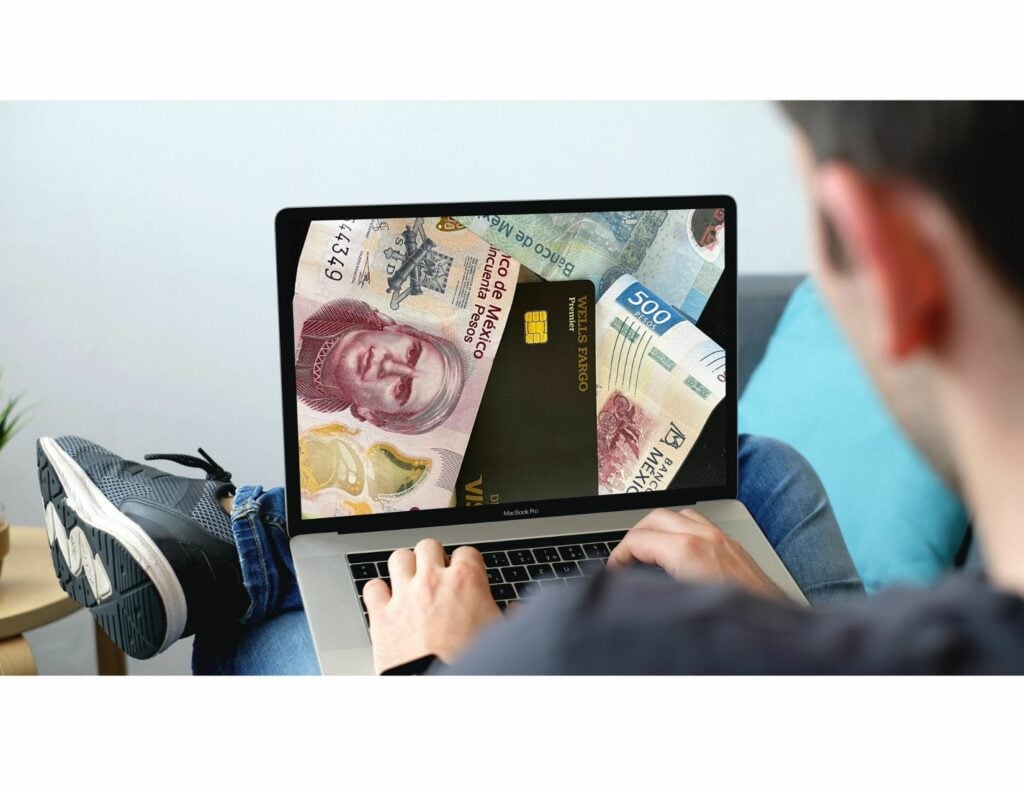
Dynamic Currency Conversion (DCC) offers to charge your credit card in USD (or your home currency) rather than pesos. A terminal asks: "Would you like to be charged in USD or pesos?" DCC seems convenient but it's a scam—the conversion rate is awful, adding 5-10% in hidden costs.
Always select the local currency (pesos). Your credit card company will convert to USD at a fair rate when you review your statement. Never allow merchants to "help" by converting for you.
Surcharges & Hidden Fees
Some vendors add surcharges for credit card payments (typically 3-5%). Ask before paying. Cash is king in Mexico—paying in pesos avoids fees and supports local businesses.
Counterfeit Bills
While counterfeits are rare, check high-denomination notes (500-1,000 pesos) for security features. Genuine pesos include holograms, color-shifting images, and watermarks. If you receive suspicious notes from ATMs, return them to the bank immediately.
Credit Cards in Mexico
Cards That Work Everywhere
Visa and Mastercard are accepted at restaurants, hotels, upscale shops, and most businesses in tourist areas. Amex and Discover are less widely accepted. Notify your bank before traveling to prevent fraud holds on international transactions.
Where Cards Don't Work
Street markets, small taquerias, family-run shops, and rural areas are cash-only. Don't assume card acceptance—always ask or bring cash. Many vendors don't have card readers or intentionally avoid cards to evade taxes.
Card Security
Use cards at reputable establishments. Avoid handing your card to staff—ask them to bring the machine to you or enter the PIN yourself. Monitor your statement for unauthorized charges. Credit card fraud is rare in Mexico, but vigilance matters.
Apple Pay, Google Pay & Digital Wallets
Apple Pay and Google Pay are increasingly accepted at Mexican retailers with contactless terminals, particularly in tourist zones, upscale restaurants, and chain stores. Simply tap your phone at the terminal—fast and secure. PayPal is accepted at selected retailers but not universally.
However, digital payment adoption varies by region. Rural areas and small businesses rarely accept phone payments. Always carry cash backup. Some travelers note that using Apple Pay or Google Pay in Mexico sometimes triggers fraud alerts—contact your bank beforehand if you plan to use digital wallets extensively.
Pro Tip: Link your US bank account to your Apple Pay or Google Pay to avoid foreign transaction fees. Confirm your bank doesn't charge international fees for contactless payments.
Budgeting for Luxury Travel
Daily Expense Estimates
Luxury villa travelers typically budget differently than budget backpackers. If you're renting a private villa with chef and concierge, food costs are built into the package. For discretionary spending:
Meals at upscale restaurants: 400-800 pesos ($25-50 USD) per person
Mid-range dining: 150-300 pesos ($10-20 USD) per person
Activities & tours: 500-2,000 pesos ($30-130 USD) per activity
Shopping & souvenirs: 100-1,000+ pesos ($6-65+ USD) depending on purchases
Transportation: 50-500 pesos ($3-30 USD) depending on type
Monthly Spending Patterns
Luxury travelers (non-villa package costs) should budget $100-300 USD daily for meals, activities, transportation, and incidentals beyond accommodation. This varies based on your comfort level and destination. Puerto Vallarta and Riviera Maya are pricier than smaller towns.
Villa-Inclusive Costs
If your villa includes chef, housekeeping, and concierge services, your budgeting simplifies. Primary costs are the villa rental and your personal discretionary spending. Allocate cash for tips, activities the villa doesn't arrange, shopping, and meals out.
Frequently Asked Questions
What is the current exchange rate of Mexican peso to USD?
As of 2026, the exchange rate hovers around 15-20 Mexican pesos per 1 USD. Rates fluctuate based on market conditions. Check current rates before traveling on XE.com or OANDA. ATM withdrawals provide better rates than currency exchange booths—your bank charges a small fee but offers the true interbank rate.
Should I exchange money before traveling to Mexico or use ATMs?
Use ATMs in Mexico for better exchange rates. Avoid exchanging at airports or currency exchange kiosks—these charge 5-15% markups. Carry $100-200 USD in small bills for arrival, then withdraw pesos from Mexican bank ATMs (Banamex, BBVA, Banorte). If exchanging before travel, do so at your home bank rather than tourist outlets.
Are credit cards widely accepted in Mexico?
Yes, major credit cards (Visa, Mastercard) are accepted at restaurants, hotels, and shops in tourist areas. However, many local vendors, markets, and small businesses require cash. Always carry cash pesos. Rural areas and traditional markets are cash-only. Notify your bank of international travel to prevent fraud blocks.
What is Dynamic Currency Conversion (DCC) and should I avoid it?
Dynamic Currency Conversion offers to convert prices to your home currency (USD) at checkout instead of charging in pesos. Always refuse DCC—the conversion rates are terrible, charging 5-10% hidden premiums. Always select pesos and let your credit card company convert. This protects you from scams.
Can I use Apple Pay, PayPal, or digital wallets in Mexico?
Apple Pay and Google Pay work at many Mexican retailers with contactless terminals, particularly in tourist areas and upscale establishments. PayPal is accepted at selected retailers but not universally. However, cash remains king outside major cities and among small businesses—always carry pesos and USD bills.
How much cash should I carry while traveling in Mexico?
Carry $200-400 USD equivalent in mixed currency (pesos and small USD bills) for daily expenses, tipping, and emergencies. Split cash between your wallet, a hidden pouch, and your hotel safe. Use ATMs strategically—withdraw enough cash to cover 2-3 days but don't carry large amounts. This reduces theft risk and makes you less vulnerable.
Ready for Your Mexico Villa Adventure?
Our travel specialists help you manage every detail—from currency planning to budgeting for your luxury getaway. We provide concierge recommendations on where to exchange, what to carry, and how to maximize your purchasing power in Mexico.
Plan Your Villa Stay