Reset Password

Booking Hotline: +1 (305) 4292548

Snorkeling in Cabo San Lucas: Best Spots & Tours (2026)

Jacques Cousteau called the Sea of Cortez "the aquarium of the world" — and the waters off Cabo San Lucas are where that reputation was earned. Tropical fish in neon colors, sea turtles gliding through rock formations, sea lions playing at the surface, and one of the oldest living coral reefs in North America are all within a short boat ride from the marina. From beginner-friendly bays with calm water to advanced reef dives at Cabo Pulmo, this is the complete snorkeling guide.
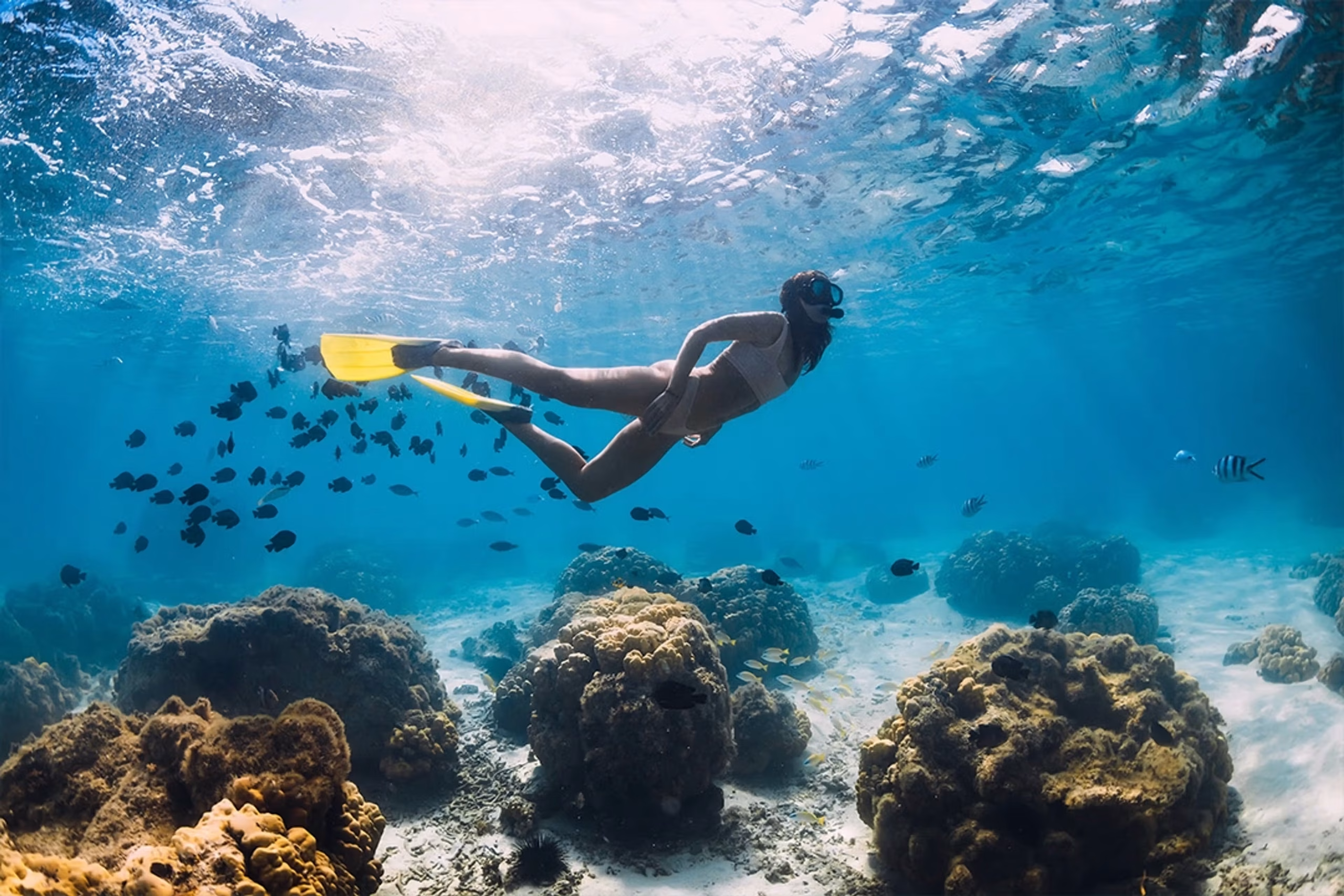
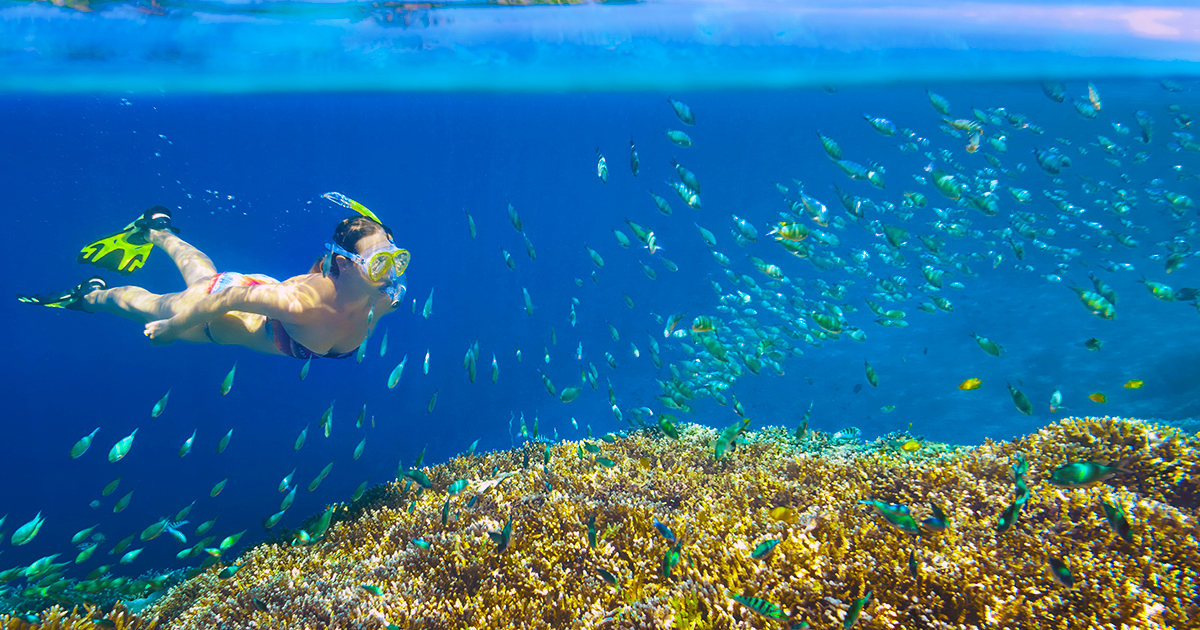
Snorkeling in crystal clear Sea of Cortez water with tropical fish near Cabo San Lucas
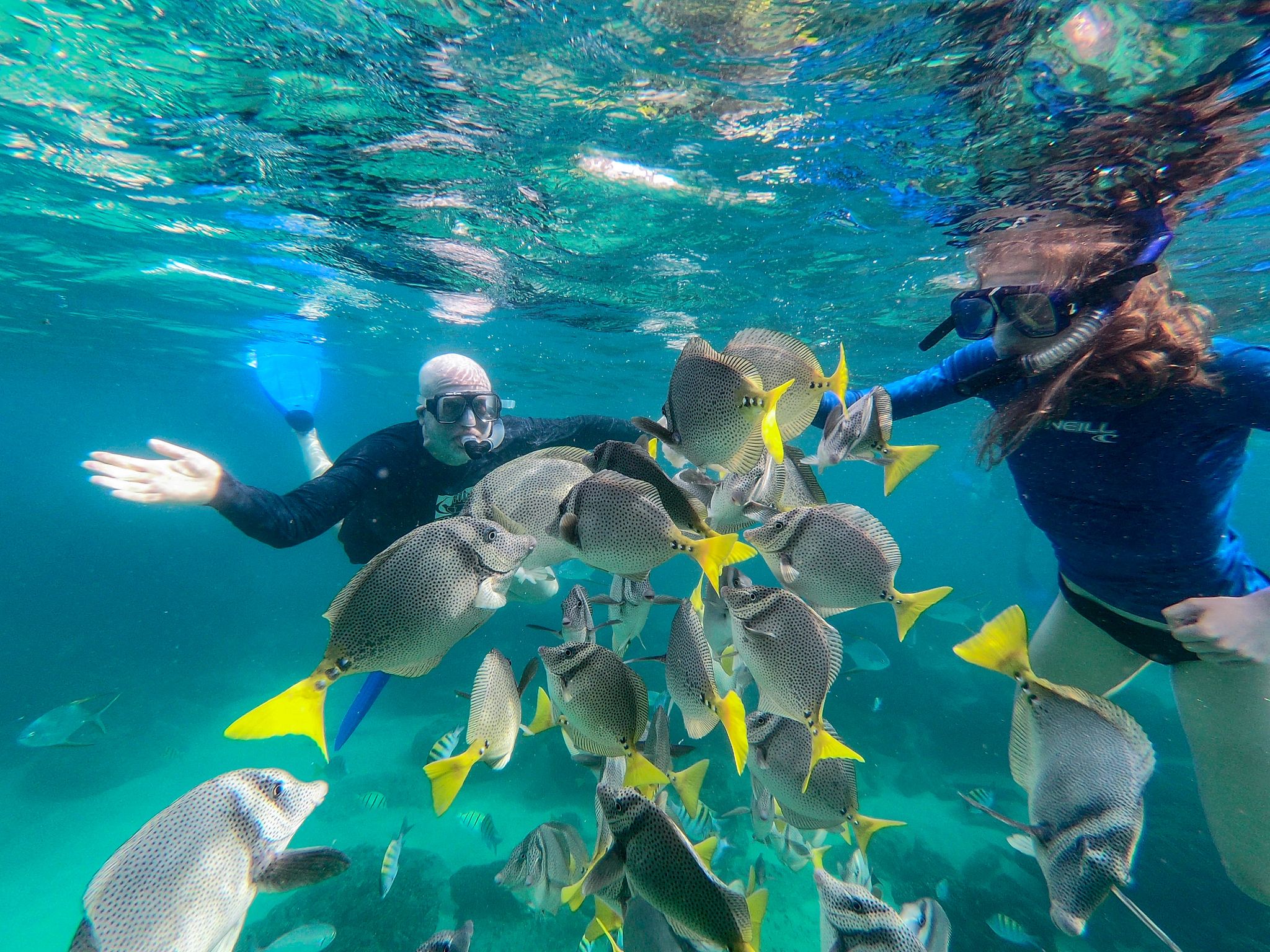
Pelican Rock snorkeling site with sea lions tropical fish and glass bottom boats Cabo San Lucas bay
Beginner · Sea Lions · 15 Min from Marina

Pelican Rock

The Classic Cabo Snorkel

Pelican Rock sits in the sheltered Cabo San Lucas bay, a fifteen-minute boat ride from the marina. The rock face drops into clear water where tropical fish, moray eels, and sea lions congregate. Most catamaran and glass-bottom boat tours stop here. Calm conditions and shallow entry make it ideal for beginners and families.
BeginnerSea Lions15 MinYear-Round
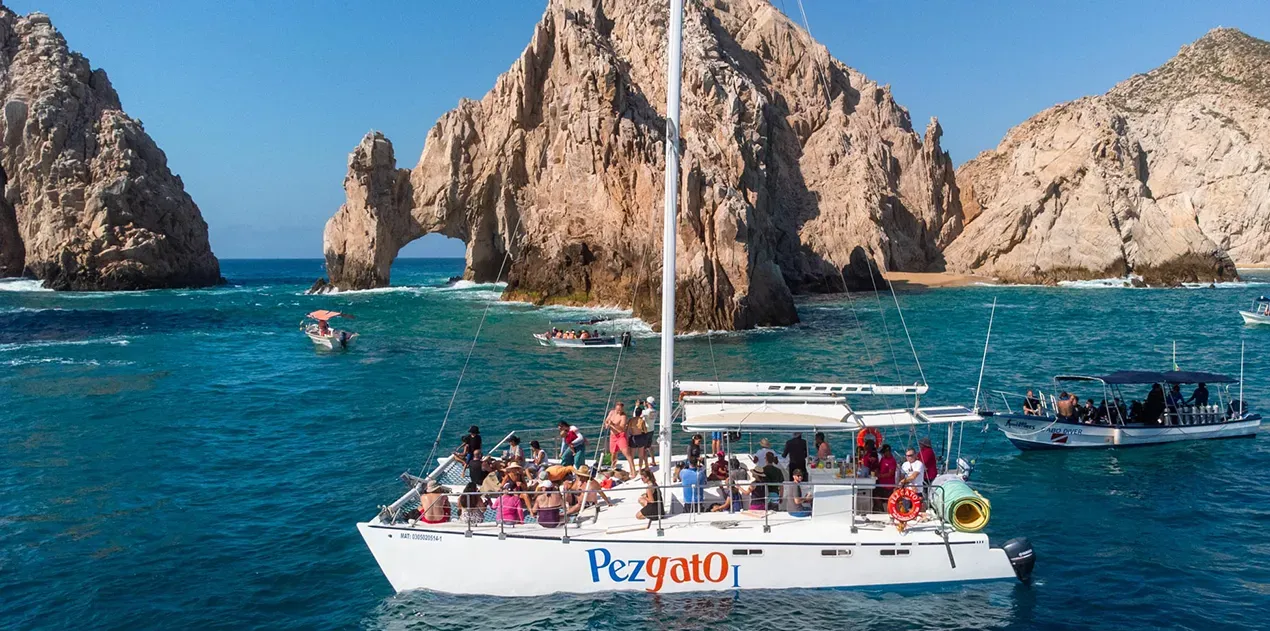
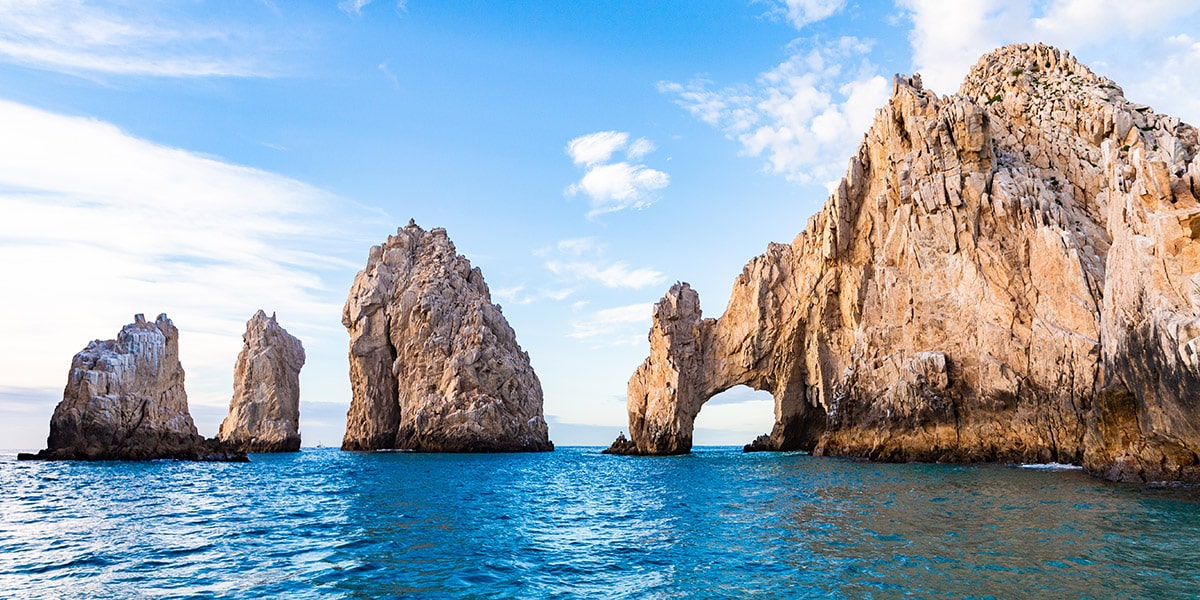
El Arco at Lands End near Pelican Rock snorkeling site where Pacific meets Sea of Cortez

Most snorkeling tours pass El Arco at Land's End on the way to Pelican Rock — a fifteen-minute cruise from the marina that doubles as a sightseeing trip past the sea lion colony, Lovers Beach, and the point where the Pacific meets the Sea of Cortez.

Protected Bays · White Sand · Turquoise Water

Santa Maria & Chileno Bay

Santa Maria Bay protected snorkeling cove with white sand and turquoise water Los Cabos Corridor

Santa Maria Bay is a protected horseshoe cove along the Corridor between Cabo San Lucas and San José del Cabo. White sand, turquoise water, and abundant marine life — angelfish, parrotfish, pufferfish, rays. The bay is calm and shallow near shore, deepening toward the outer reef.
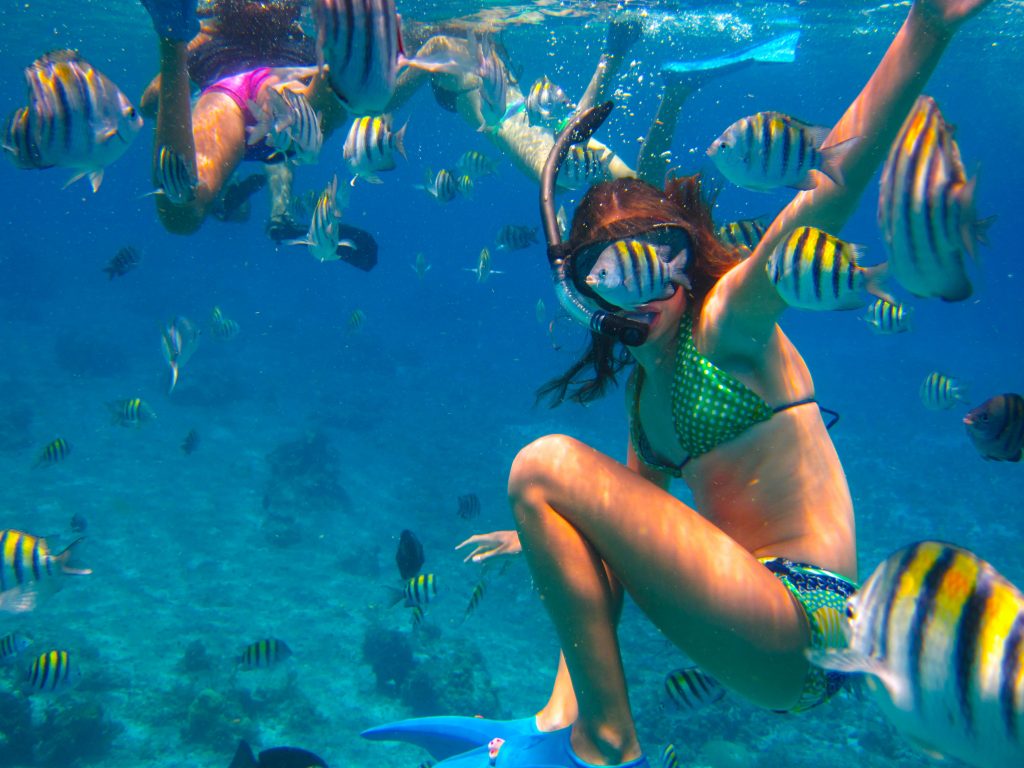
Chileno Bay snorkeling beach with reef fish and calm clear water along the Los Cabos Corridor

Chileno Bay is slightly further east, with similar conditions but a rockier reef structure that attracts larger species. Both bays are accessible by car (with limited parking) or by catamaran tour. Private tours visit both bays in a single trip with lunch and open bar on board.

National Marine Park · Living Coral Reef · Day Trip

Cabo Pulmo

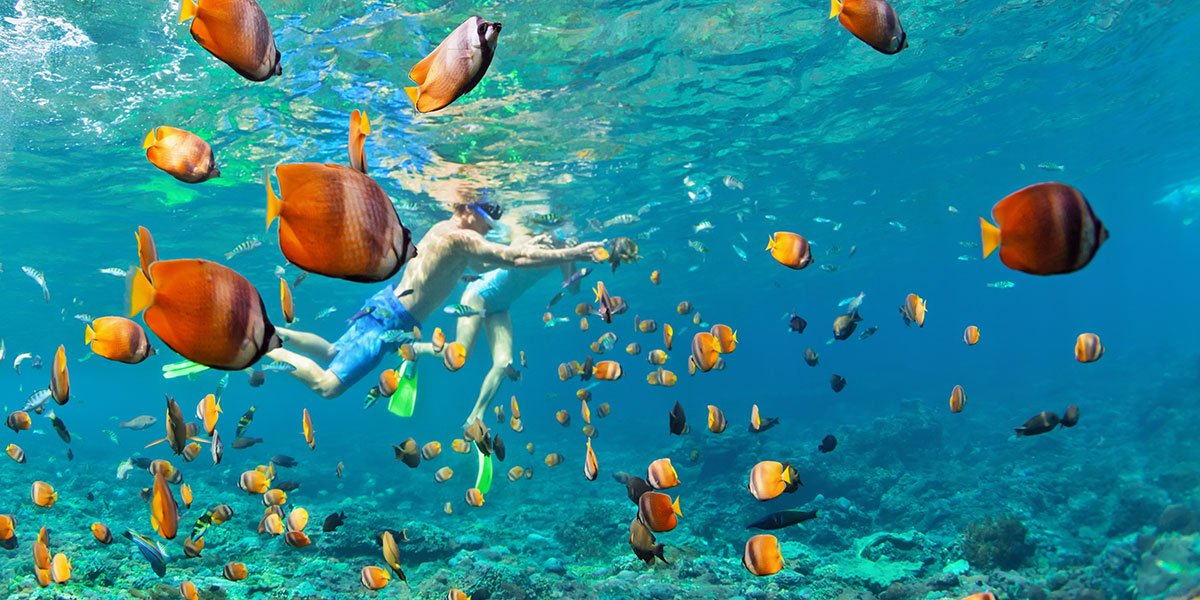
Cabo Pulmo National Park coral reef snorkeling with schools of fish and sea turtles Baja California

Cabo Pulmo National Park is a two-hour drive east — and the effort is worth it. Home to one of the oldest living coral reefs in North America (20,000 years), the park has seen a 460% increase in marine biomass since fishing was banned in 1995. Expect massive schools of jacks, bull sharks, sea turtles, and rays. This is advanced snorkeling — open water, current, and deeper reef — but guided tours manage safety expertly.

Book a Snorkeling Tour

Recommended Tours

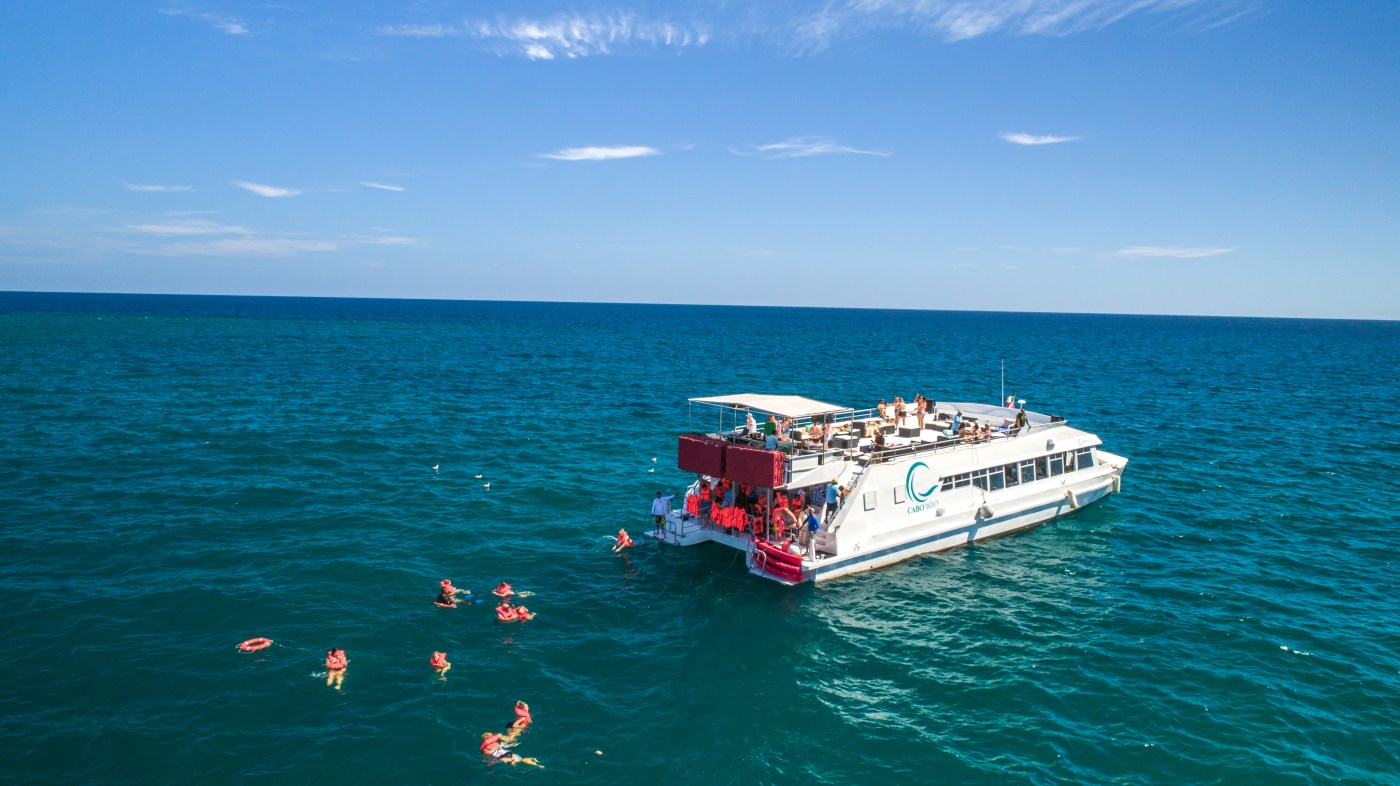
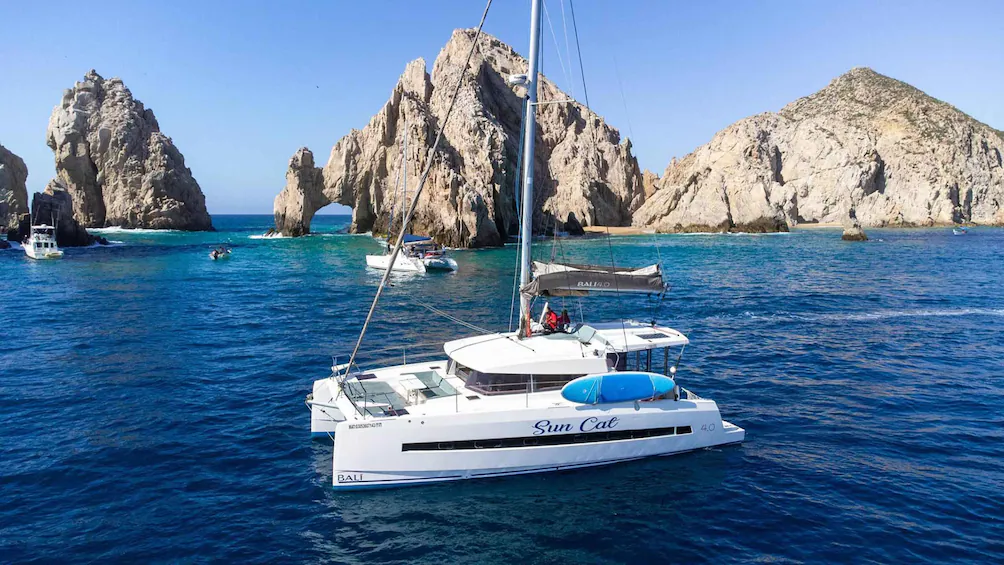
Catamaran snorkeling tour with open bar and snacks at Santa Maria Bay Cabo San Lucas
Catamaran · 3 Hours · Open Bar Snorkel Tour with Open Bar & Snacks
Book Now →
Luxury catamaran two bay snorkeling tour with lunch and unlimited drinks Cabo San Lucas
Luxury Catamaran · 4 Hours · Lunch Included Luxury Catamaran 2-Bay Snorkeling
Book Now →
Half-day sailing and snorkeling tour past El Arco and Lands End Cabo San Lucas
Sailing · Snorkeling · Half Day Snorkeling & Sailing Half-Day Trip
Book Now →
Guided snorkeling adventure at Cabo Pulmo National Park coral reef Baja California
Day Trip · Cabo Pulmo · Coral Reef Cabo Pulmo Snorkeling Adventure
Book Now →
Before You Jump In

What to Bring

Reef-safe sunscreen is required in marine parks. Rash guard for UV protection during longer sessions. Underwater camera — GoPro or waterproof phone case. Motion sickness medication if you are prone — take it 30 minutes before departure. Water shoes for rocky entry at Santa Maria and Chileno (not needed on catamaran tours). Most tours provide snorkel gear, towels, and wetsuits (winter).

Common Questions

Frequently Asked Questions

Where is the best snorkeling in Cabo San Lucas?
Pelican Rock for beginners (sheltered, 15 minutes from marina). Santa Maria Bay and Chileno Bay for intermediate snorkelers (more reef, more species). Cabo Pulmo National Park for advanced — one of the most biodiverse marine environments in the Americas, two hours east.
What marine life will I see snorkeling in Cabo?
Angelfish, parrotfish, pufferfish, sergeant majors, moray eels, sea lions, sea turtles, and rays at all sites. At Cabo Pulmo, add massive schools of bigeye jacks, bull sharks, whale sharks (seasonal), and manta rays. During winter, humpback whales are visible from the surface.
When is the best time to snorkel in Cabo?
April through November for the best visibility and warmest water (78–84°F). October–November is peak — calm seas, warm water, and fewer crowds. Winter is slightly cooler and choppier but still excellent, with the bonus of whale sightings.
Do I need to know how to swim to snorkel in Cabo?
Basic swimming ability is required, but most tours provide life vests and guided instruction. Pelican Rock and Santa Maria Bay are calm and shallow near shore, suitable for first-timers. Cabo Pulmo involves deeper water and currents — swimming confidence is essential.
Los Cabos Villa Rentals

Dive In. Your Concierge Handles the Rest.

Villa Experience villas in Los Cabos include a concierge who books the best snorkeling tours, arranges private charters, and schedules your week around the clearest water days.

Share

LUXURY VILLAS BY DESTINATION IN MEXICO

Fully staffed beachfront villas with private chef, butler & dedicated concierge — from the Pacific Coast to the Caribbean